Why a Homestead Isn't the Same as a Farm Business
People sometimes ask whether De Klomp is a business.
The honest answer is: not in the usual sense.
We think about costs. We think about value. We think about what we can produce, what we still need to buy, and whether a surplus could become income.
But the purpose of the homestead is not to maximize profit.
The purpose is to build a home that can provide more of what we need, teach us useful skills, and make daily life a little more resilient — as told in our story.
Home Comes First
A farm business is usually organized around production and sales.
It must calculate whether a crop, animal, or product earns enough money to justify the time, land, equipment, and labor involved. That is normal. A business must remain financially viable.
A homestead starts from a different question.
What can we produce for ourselves?
Food on the table matters even when it is never sold. Water from our own well has value even when no customer pays for it. Bread, cheese, vegetables, fruit, goat milk, preserved food, and practical knowledge all make the household stronger.
That value does not always appear in a sales report.
Producing What We Can
At De Klomp, we try to produce more of what we use.
That includes vegetables, fruit, goat milk, bread, cheese, herbs, and fodder plants for the animals — including milestones like our first dragon fruit harvest.
We are not pretending that we can produce everything.
We still buy flour, salt, tools, minerals, pellets, medicine, building materials, and many other things. Some products are more practical to buy. Others cannot be produced reliably on our land. That includes what we still buy for the goats.
The goal is not complete isolation.
The goal is to become less fragile by producing what makes sense and buying what we must.
Surplus Can Become Income
A homestead can still earn money.
If the garden produces more than we can eat, store, preserve, or share, selling the surplus can make sense.
If the goats produce more milk than the household needs, that milk may become cheese, yogurt, Labne, or another product with value — what goat milk can become.
In the future, visitors may want to learn, experience homestead life, or stay for a while. That could also become income.
But income supports the homestead.
The homestead does not exist only to create income.
That distinction matters.
Value Is More Than Money
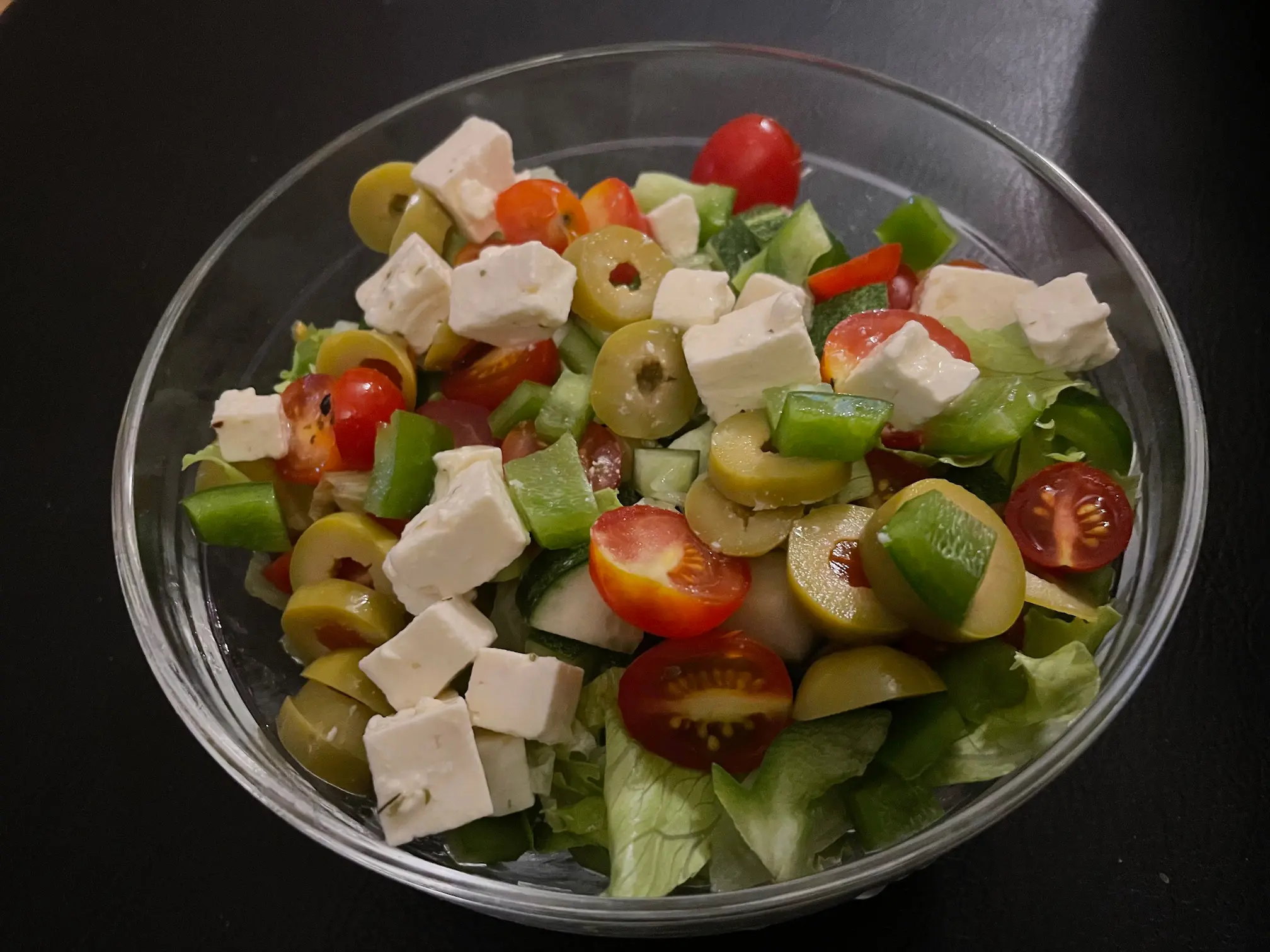
A homemade salad may contain vegetables, herbs, and cheese produced or prepared at home.
Its financial value may be modest. But the real value includes much more.
It includes knowing where the food came from.
It includes the ability to grow, harvest, prepare, and preserve food.
It includes better control over ingredients.
It includes knowledge that can be used again and passed on to someone else.
A skill remains useful even when market prices change.
That is one of the most important forms of wealth a homestead can build.
A Different Kind of Accounting
On a business farm, the main question may be whether the numbers produce a profit.
On a homestead, the calculation is broader.
How much food did the land provide?
How much did we avoid buying?
What did we learn?
Which systems became more reliable?
What can we now do ourselves that we could not do last year?
Did the animals live well?
Did the household become healthier, more capable, or less dependent?
Those questions are difficult to place in a spreadsheet, but they still matter.
Not a Perfectly Self-Sufficient Life
We are not selling the idea of perfect self-sufficiency.
That would not be honest.
Plants fail. Animals become sick. Weather changes plans. Equipment breaks. Some harvests are good, while others are disappointing.
Sometimes buying something is cheaper, safer, or more practical than producing it ourselves.
A resilient homestead is not one that refuses all outside help.
It is one that understands its dependencies and slowly reduces the ones that create the most risk.
Building Wealth That Stays
Money can be spent.
A practical skill stays.
Knowing how to bake bread, make cheese, grow fodder, care for goats, preserve food, manage water, or build a reliable power system remains useful even when prices rise or supplies become difficult to find.
That is the kind of wealth we are building at De Klomp.
The homestead is our home first.
If it creates surplus, that surplus can become income.
If it creates knowledge, food, stability, and a better way of living, it is already producing something valuable.
That is why a homestead is not the same as a farm business.
Enjoyed this story?
If you know someone who enjoys homesteading, goats, traditional food, or self-sufficiency, feel free to share it.
Related stories from De Klomp
More from the homestead about food, goats, growing, and building a resilient life.
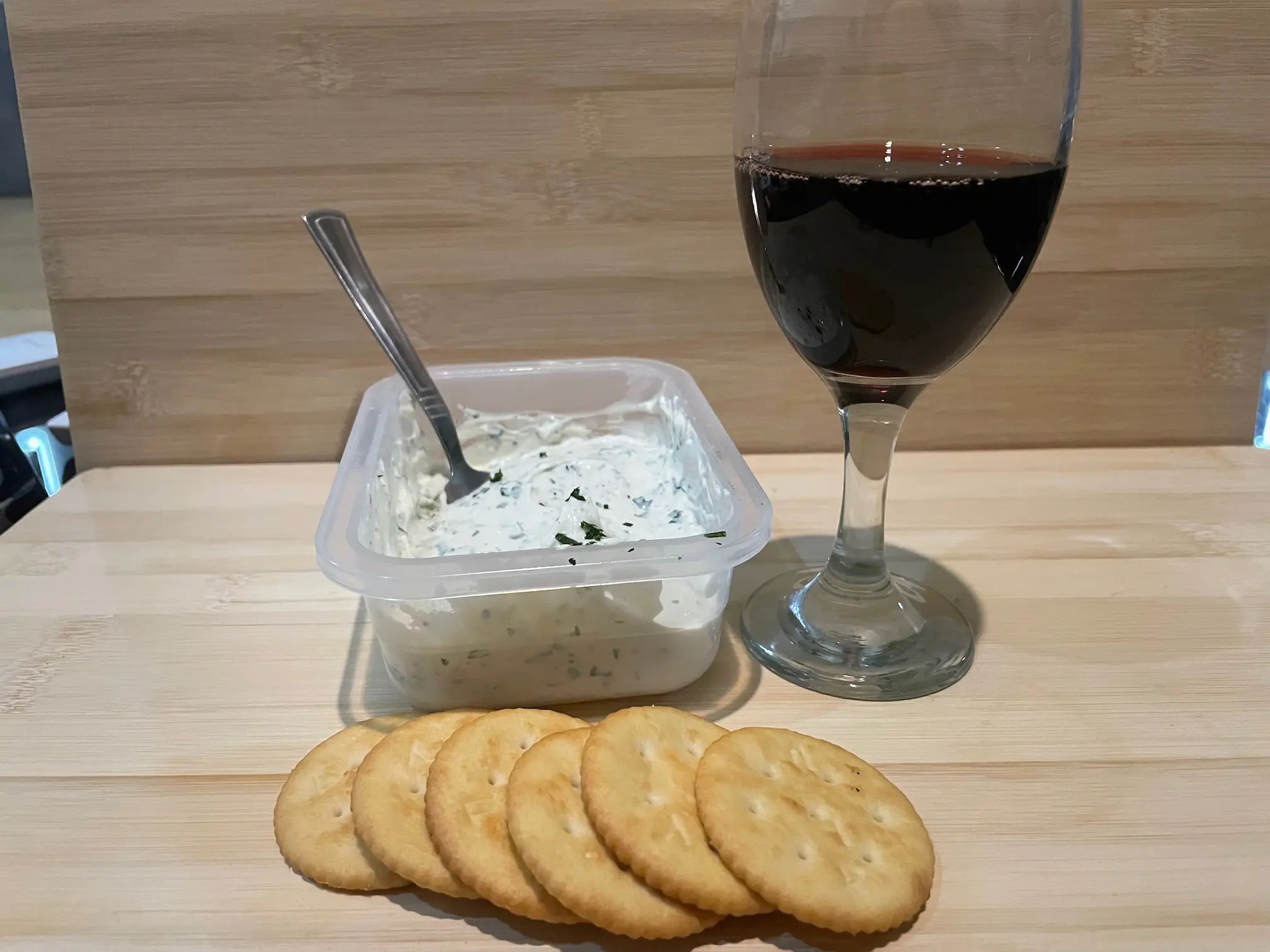
Homemade Labne From Goat Milk at De Klomp Homestead
We made fresh Labne from our own goat milk at De Klomp Homestead, served with parsley and garlic as part of our journey into homemade dairy.
Read the story →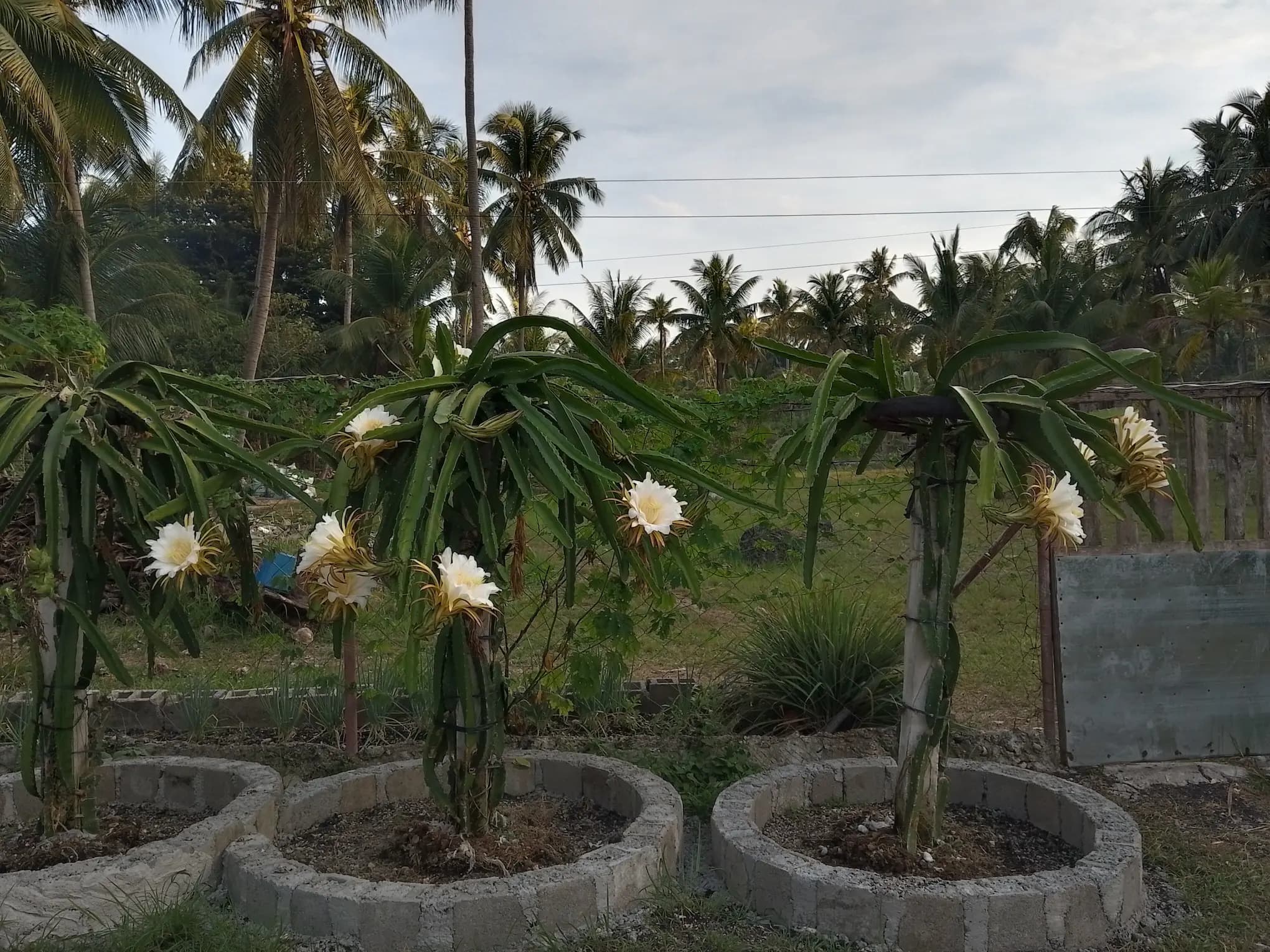
Our First Dragon Fruit Harvest at De Klomp Santander
We harvested the first dragon fruit grown on our land at De Klomp Santander. A small but meaningful milestone in building our productive Cebu homestead.
Read the story →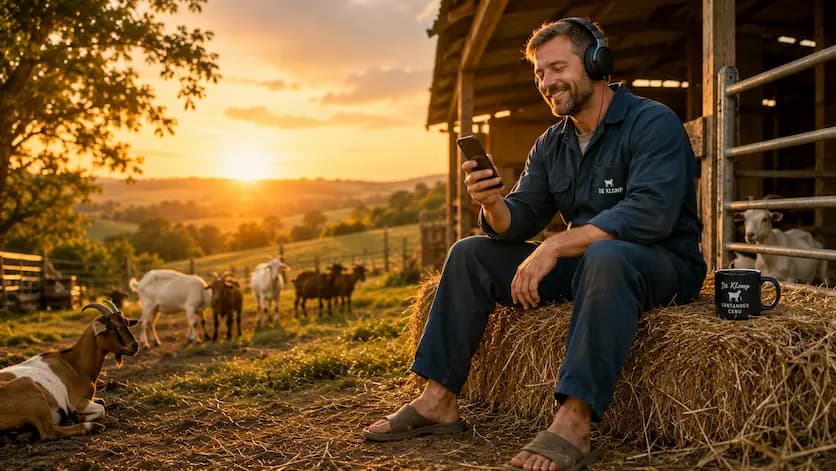
Why Every Homestead Needs Music
Music motivates our work, softens our rest, and shapes the energy of daily life at De Klomp — and it led us to release our first album from the homestead.
Read the story →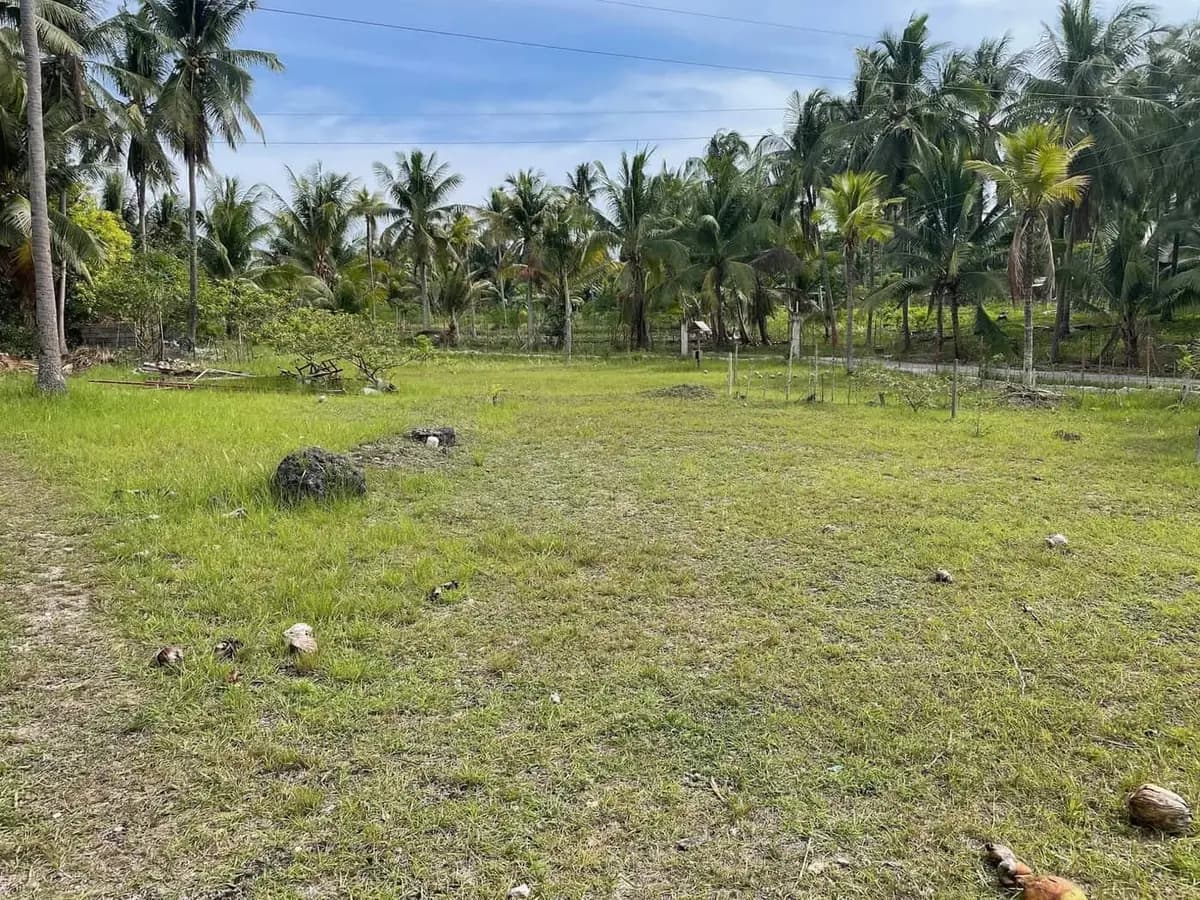
Why We Are Growing a Feeding Forest for Our Goats
We are growing a feeding forest in Santander, Cebu, to provide our goats with fresh, local and renewable fodder from our own land.
Read the story →More stories from the homestead
More honest lessons from goats, gardens, bread, and daily life on the land.