Why We Are Growing a Feeding Forest for Our Goats
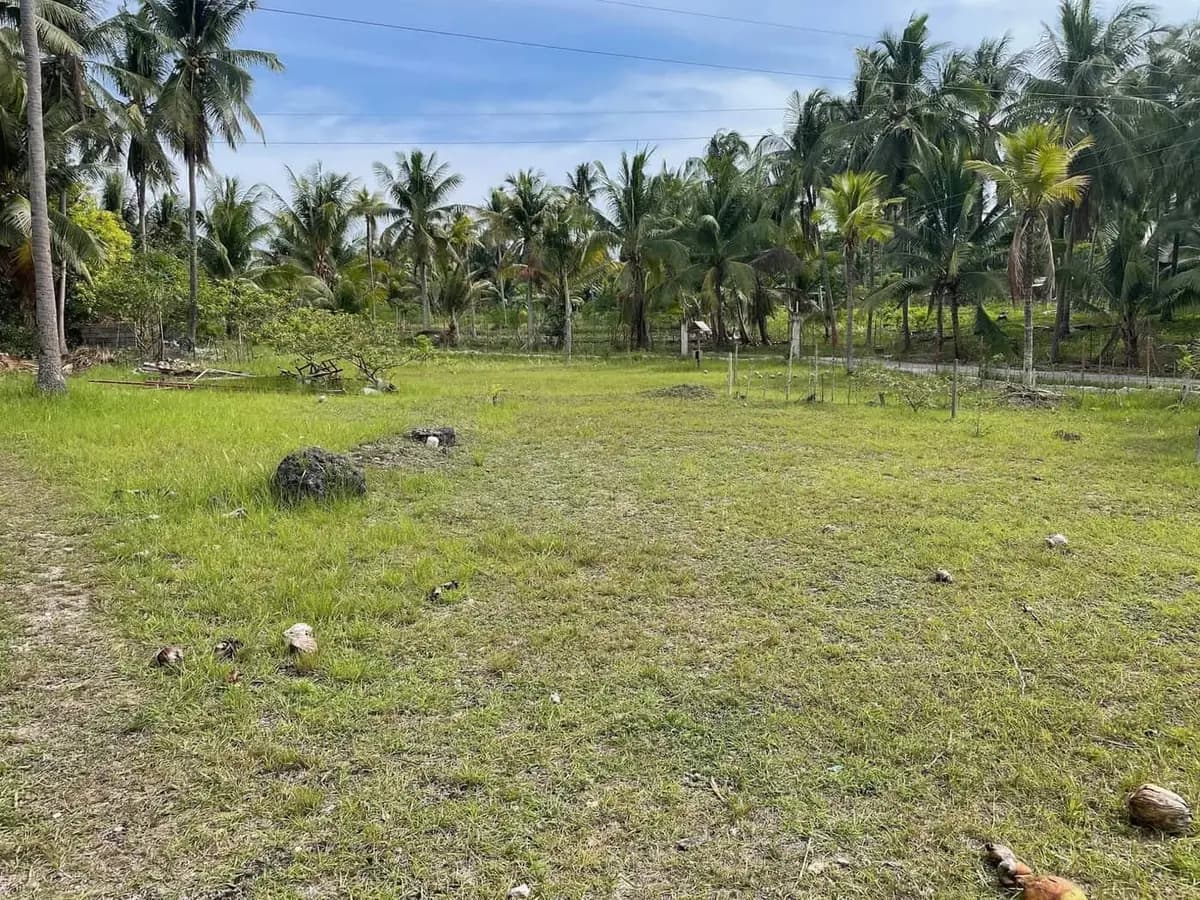
Goats are an important part of life at De Klomp Santander, but relying entirely on purchased feed would not make our homestead resilient.
Feed prices can rise. Supplies can become difficult to find. Transport and availability can change without much warning. By growing more goat fodder on our own land, we can reduce that dependence and build a feeding system that is more reliable over time.
That is why we are creating our goats and feeding forest.
Fresh Goat Fodder From Our Own Land
A feeding forest is an area planted with grasses, trees, shrubs, and other useful crops that can provide fresh fodder for livestock.
At De Klomp Santander, we are planting species such as Napier grass, malunggay, banana, and other fodder plants that can grow well in the climate of Cebu — including discoveries like finding Indigofera.
These plants can provide leaves, stems, and other edible material for our goats. Instead of depending only on feed that must be bought and transported to the farm, part of their diet can eventually come directly from our own land.
The goal is not to replace every type of purchased feed. Concentrates, minerals, and other supplements remain part of supporting the herd while the plants establish. The feeding forest is intended to strengthen the overall system by providing a steady source of fresh, locally grown forage.
A More Resilient Homestead
Growing our own fodder gives us more control over what is available to the animals.
It also allows us to plant a variety of species. Different plants grow at different speeds, respond differently to dry and wet weather, and provide different types of nutrition. A diverse feeding forest is therefore more useful than relying on a single crop.
Once established, many fodder plants can be harvested repeatedly. Trees and shrubs can produce new leaves after pruning, while grasses such as Napier can regrow after cutting.
That makes the system renewable, provided that the plants are managed carefully and given enough time to recover between harvests.
Building It One Plant at a Time
A feeding forest does not appear overnight.
The plants need to establish strong roots before they can be harvested regularly. Some will grow quickly, while others may need months or even years before they make a meaningful contribution.
There will also be lessons about which plants grow best on our land, which ones the goats prefer, and how frequently each species can be harvested without weakening it.
This is slow work, but it is the kind of work that can make the homestead stronger year after year.
Every new fodder plant represents a small step toward greater independence, lower reliance on outside supplies, and a more sustainable way of keeping goats at De Klomp Santander.
Enjoyed this story?
If you know someone who enjoys homesteading, goats, traditional food, or self-sufficiency, feel free to share it.
Related stories from De Klomp
More from the homestead about food, goats, growing, and building a resilient life.
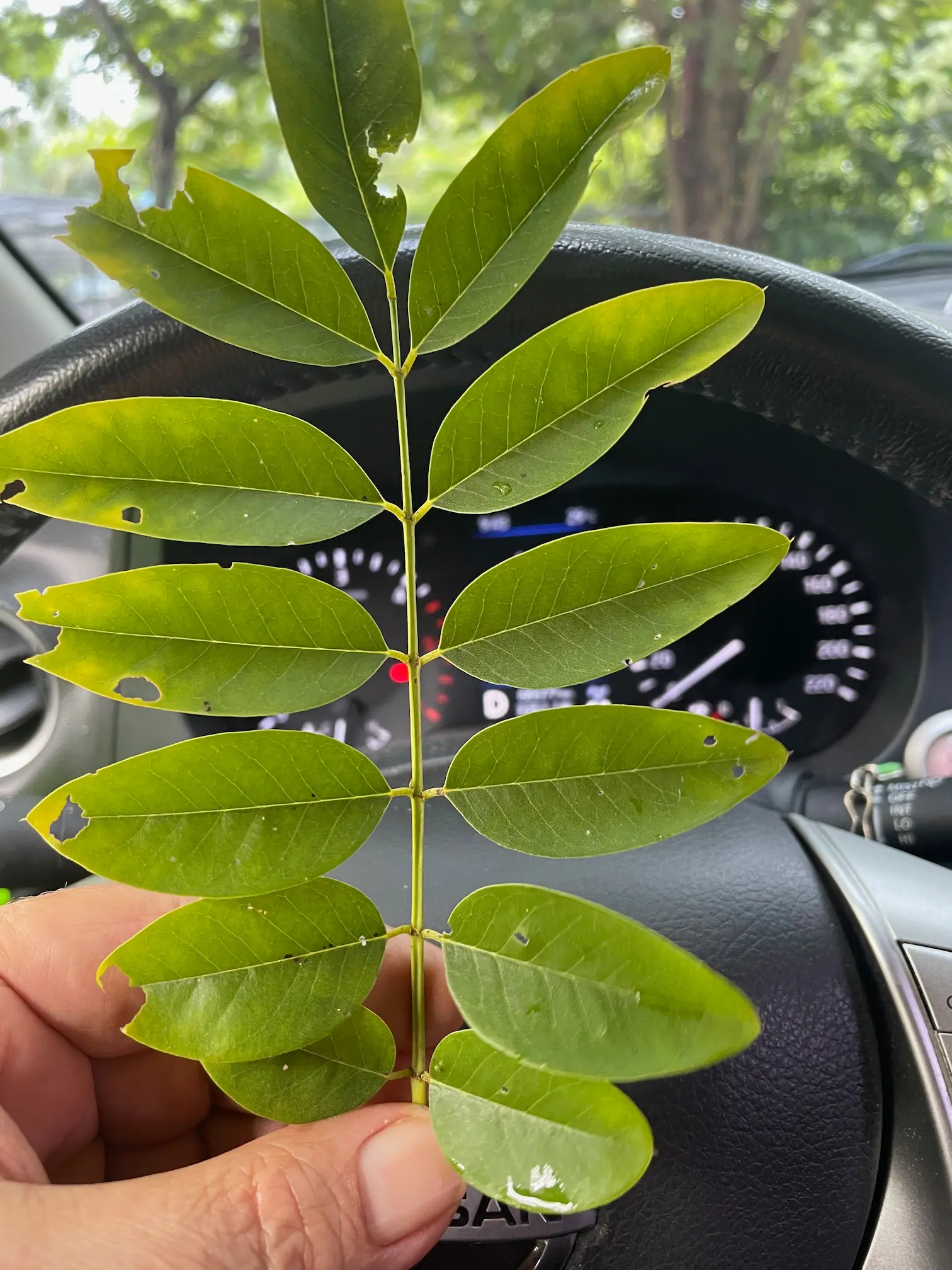
Indigofera Found: One More Piece of the Feeding Forest
We found Indigofera growing at De Klomp and began exploring how this high-protein tropical forage could support our goats and feeding forest.
Read the story →
Why a Homestead Isn't the Same as a Farm Business
De Klomp is a home first, not a conventional farm business. We grow food, build practical skills, reduce dependence, and sell only when surplus makes sense.
Read the story →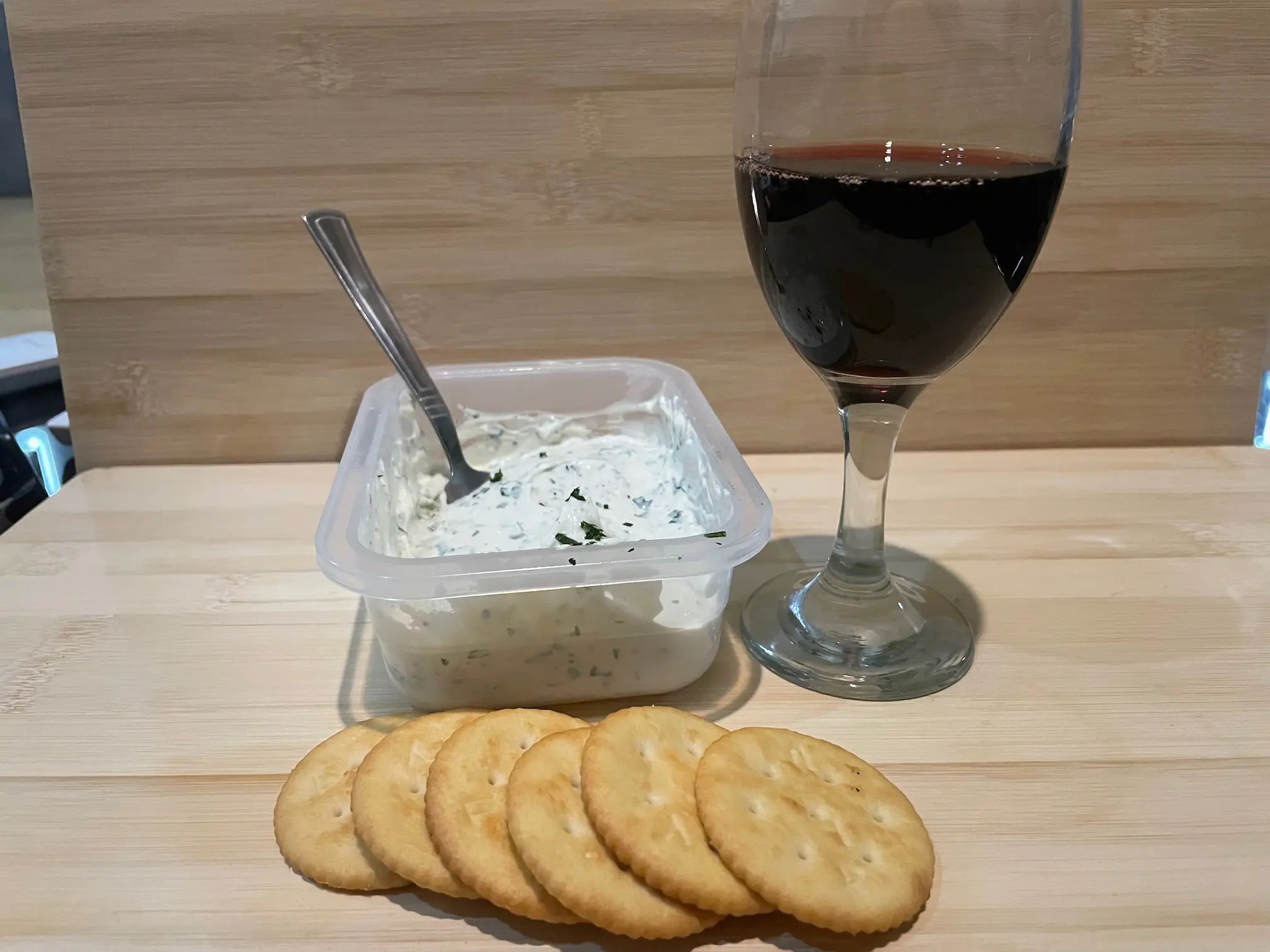
Homemade Labne From Goat Milk at De Klomp Homestead
We made fresh Labne from our own goat milk at De Klomp Homestead, served with parsley and garlic as part of our journey into homemade dairy.
Read the story →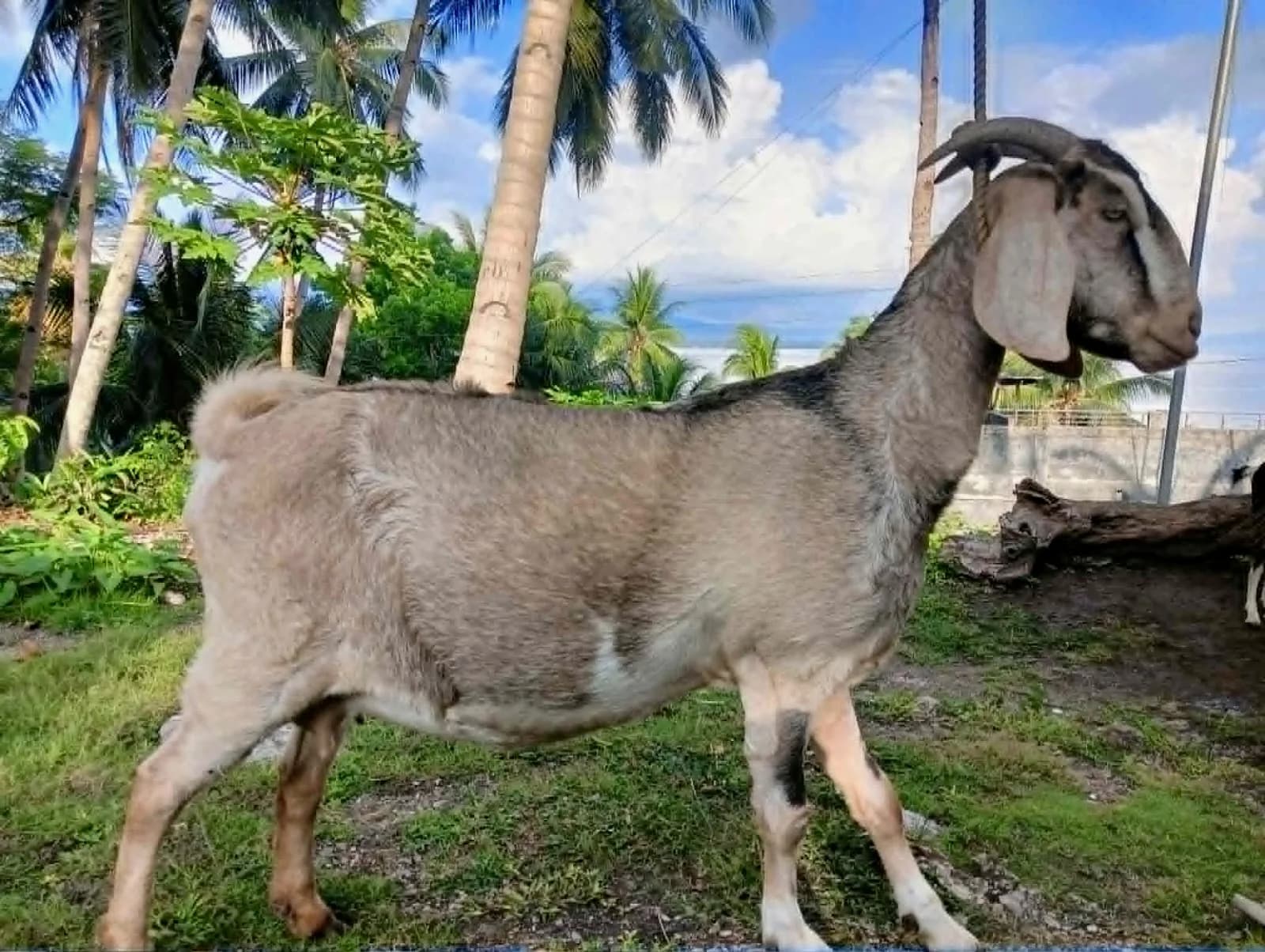
Healthy Goats Are Happy Goats
Our goats browse Napier, leaves and local fodder plants from our land. For lactating does we also add concentrates, protein, pollard and minerals so milk never comes at the cost of health.
Read the story →More stories from the homestead
More honest lessons from goats, gardens, bread, and daily life on the land.