Homemade Labne From Goat Milk at De Klomp Homestead
Every liter of goat milk has value.
Market prices may rise or fall, and dairy products may sometimes be cheap and easy to buy. But milk produced by our own goats gives us something more important: the opportunity to learn how to turn a fresh ingredient into useful food at home.
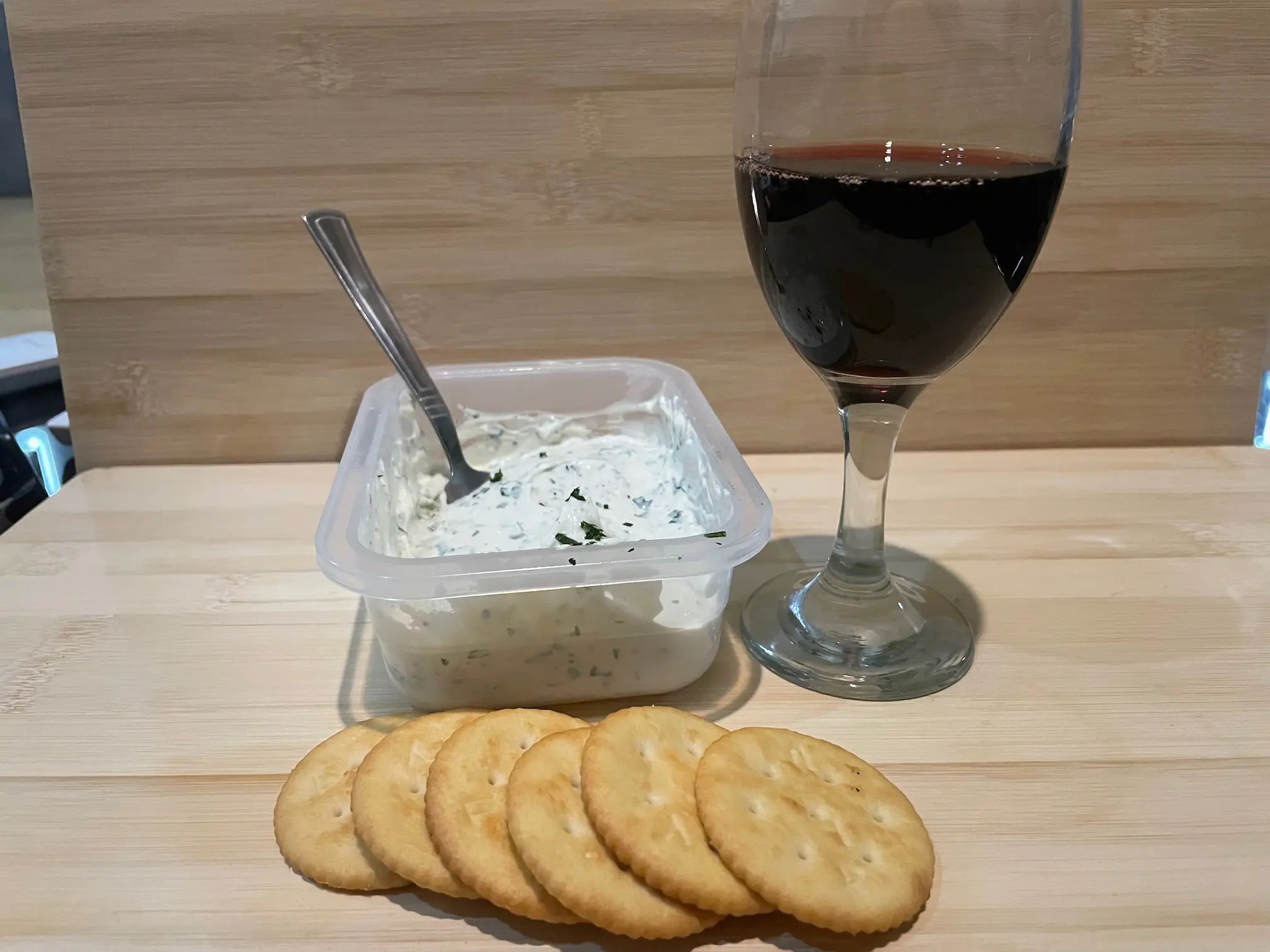
This time, we made Labne.
Our freshly made Labne was served with parsley and garlic. It was simple, fresh, and made from goat milk produced here at De Klomp Homestead.
Learning What Goat Milk Can Become
Goat milk can become much more than a drink.
It can be turned into yogurt, soft cheese, Labne, and many other dairy products. Each new recipe teaches us more about how milk behaves, how fermentation works, and how small changes can affect the final result.
We are learning these skills step by step — the same spirit behind homemade bread and other traditional food skills.
Some batches work beautifully. The texture is right, the flavor is balanced, and everything comes together as planned.
Other batches teach us humility.
Not every attempt is perfect, but every attempt adds experience. That experience stays with us and makes the next batch better.
Fresh Labne With Parsley and Garlic
Labne is a thick, strained dairy product with a creamy texture and a slightly tangy flavor.
For this batch, we served it with parsley and garlic. The herbs added freshness, while the garlic gave it a stronger, savory flavor.
Seeing a finished dairy product on the table makes the value of our goat milk very clear. The milk is no longer only a raw ingredient. It has become something made by hand, ready to eat and easy to share.
Building Practical Skills at Home
Making dairy products is part of building a more capable homestead. That is also why a homestead is not the same as a farm business.
Prices change. Availability changes. Supply chains change. The ability to produce food from what is already available on the land makes the household less dependent on outside products.
We are still learning, and there is much more to explore. Yogurt, cheeses, and other goat milk products will all require practice, patience, and plenty of experimentation.
That is part of the journey.
The products may change from one batch to the next, but the knowledge remains. Every successful batch, and every imperfect one, helps us understand a little more about what our goat milk can become.
Enjoyed this story?
If you know someone who enjoys homesteading, goats, traditional food, or self-sufficiency, feel free to share it.
Related stories from De Klomp
More from the homestead about food, goats, growing, and building a resilient life.
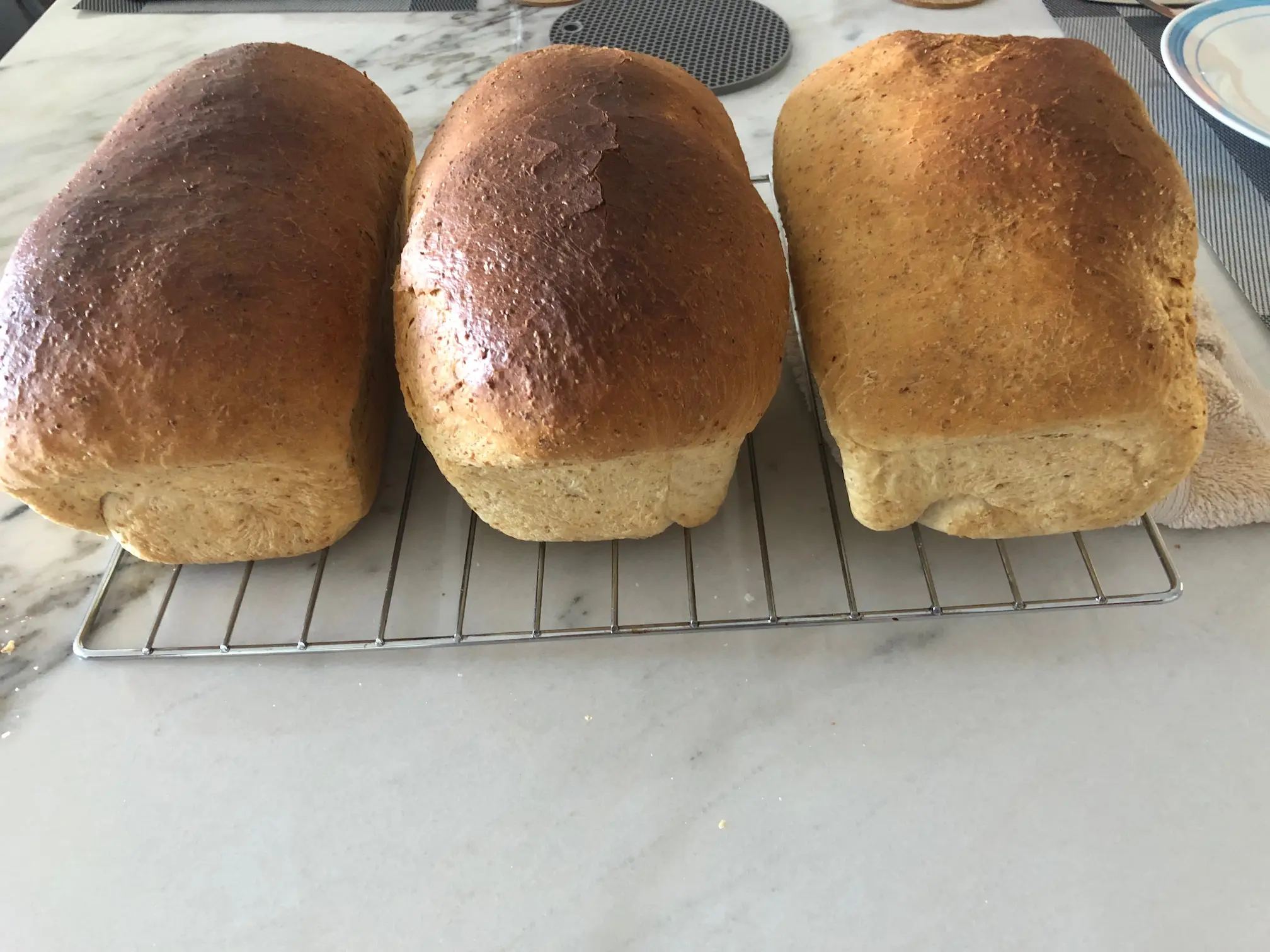
Bread That Goes Stale in Two Days, and Why That's Good
Our homemade bread goes stale after two days because it is baked for flavor and nourishment, not engineered for an unnaturally long shelf life.
Read the story →
Why a Homestead Isn't the Same as a Farm Business
De Klomp is a home first, not a conventional farm business. We grow food, build practical skills, reduce dependence, and sell only when surplus makes sense.
Read the story →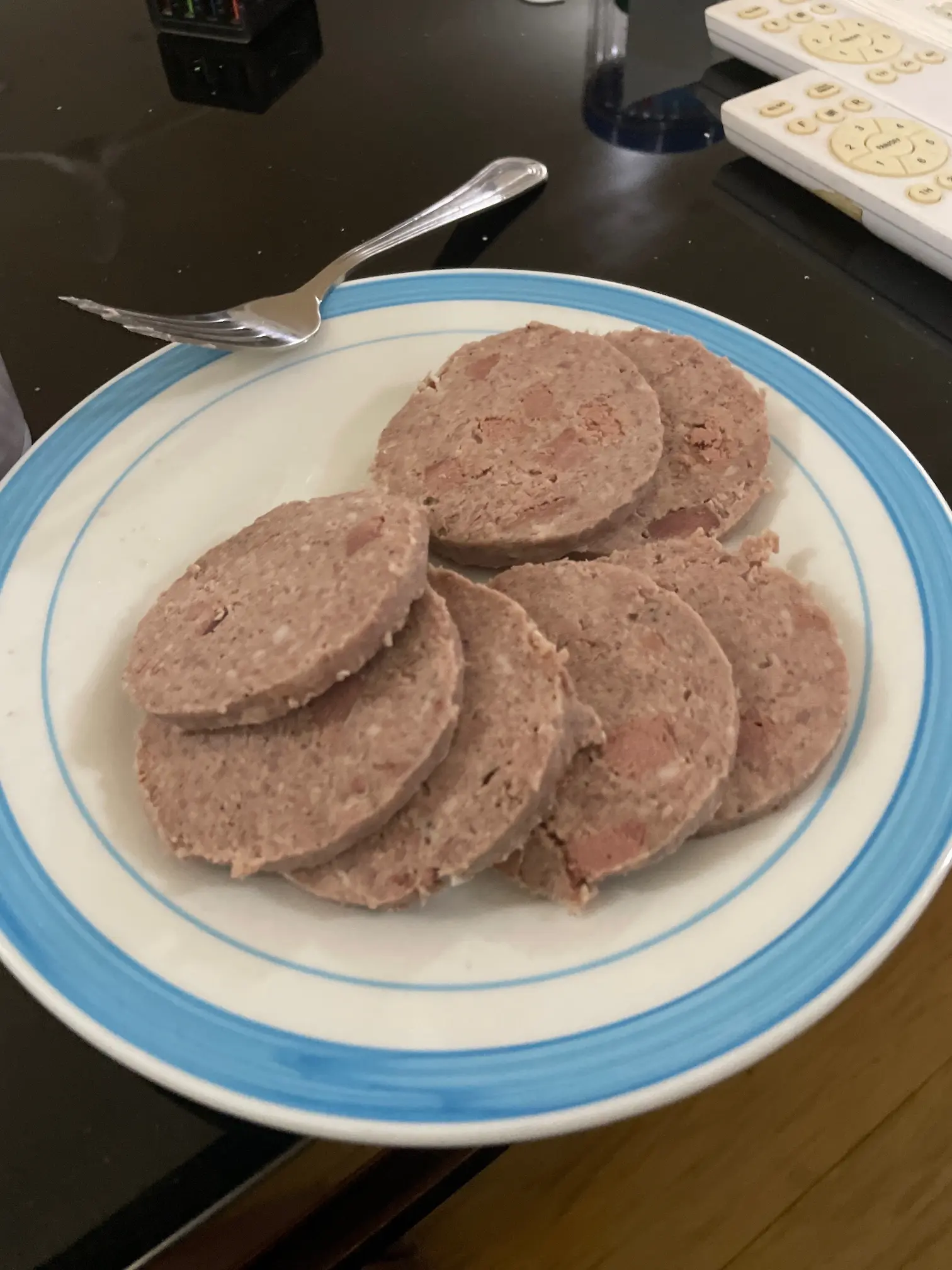
Old-School Liverwurst and the Taste of Memory
A 200-year-old Groningen family recipe brought to Cebu: homemade liverwurst, traditional food skills, and a taste of Dutch family history.
Read the story →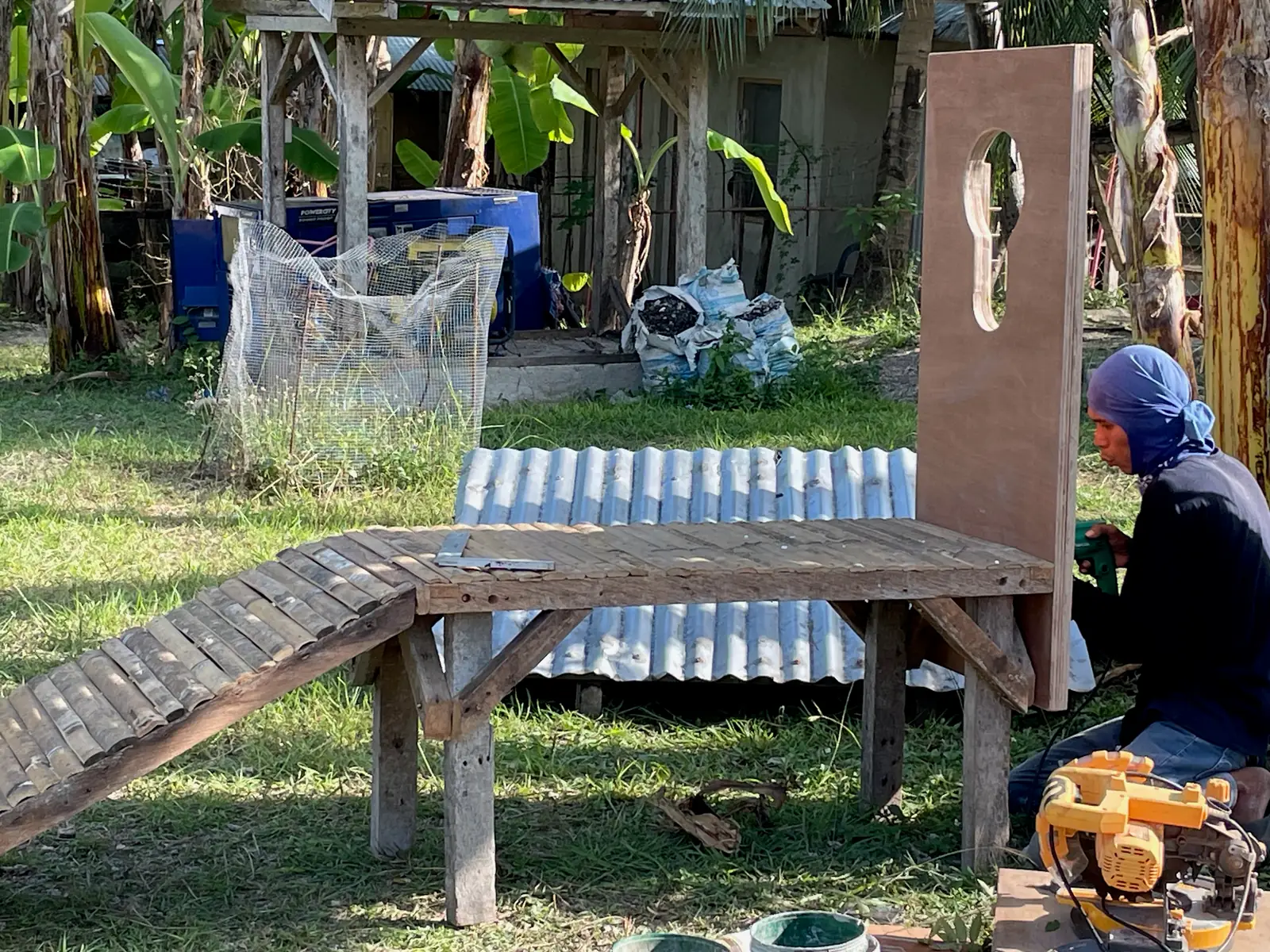
Building Our Goat Milking Stand
Milking close to the ground is hard on the back, so we built a raised goat milking stand from bamboo, reused coco lumber, and laminated marine plywood at a working height designed specifically for Jenalyn.
Read the story →Keep exploring De Klomp
More stories from the homestead
More honest lessons from goats, gardens, bread, and daily life on the land.