Bread That Goes Stale in Two Days, and Why That's Good
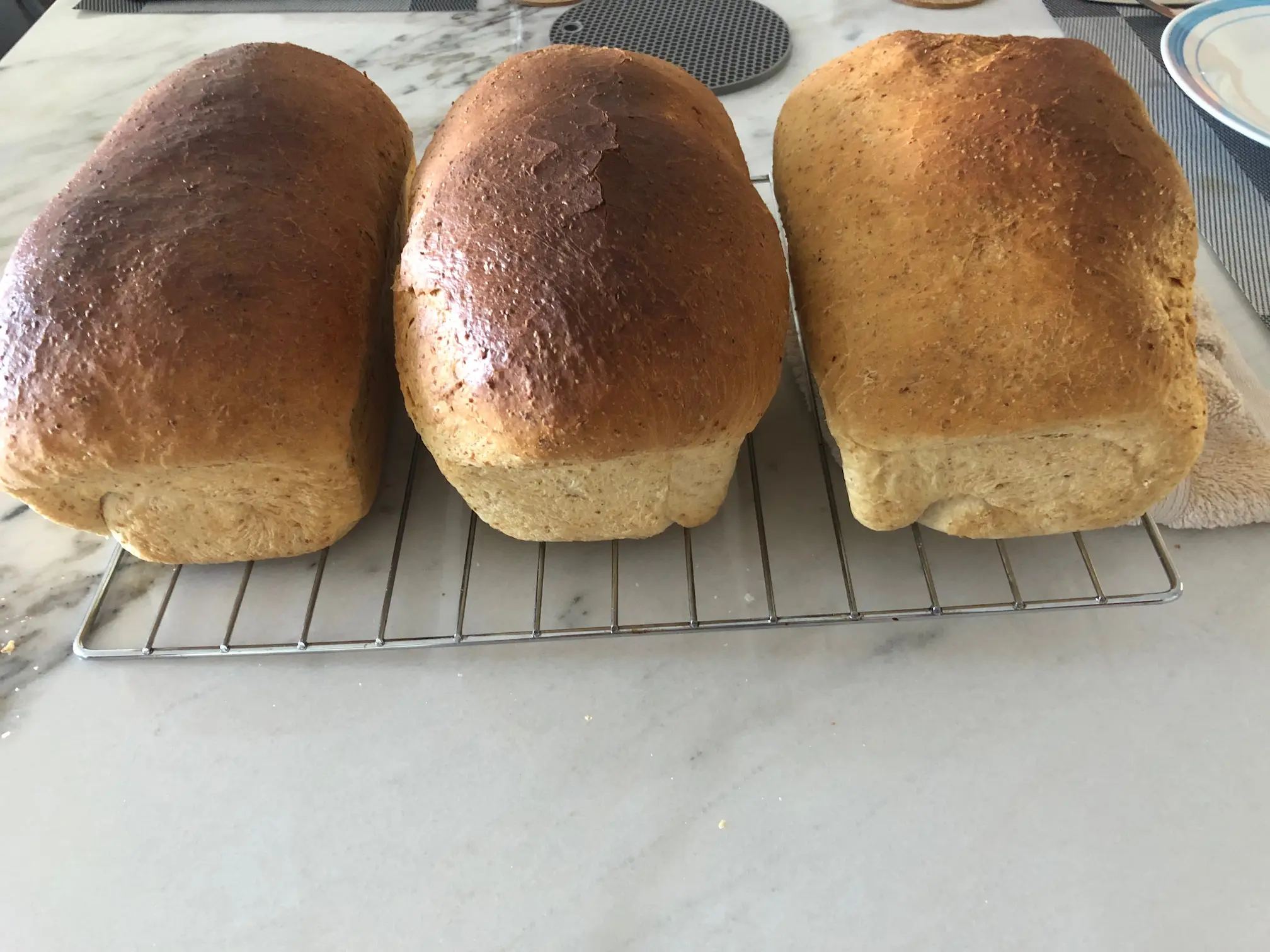
I grew up with bread that had a proper crust, real flavor, and a short shelf life.
It did not stay soft for a week. After a day or two, it started becoming stale. That was normal. Bread was made to be eaten fresh, and when it became dry, it could still be toasted, turned into breadcrumbs, or used in another meal.
At De Klomp Homestead, that is still the kind of bread we want to make.
Bread Made for Flavor, Not Shelf Life
Commercial bread is often designed to stay soft for as long as possible.
That can be convenient, but long shelf life is not our main goal. We bake bread for taste, texture, nourishment, and the simple pleasure of eating it fresh — part of our traditional food skills.
A good loaf should have character.
It should have a crust you can hear when you cut it. It should smell like grain and yeast. It should taste good without needing to hide under a thick layer of toppings.
Our bread is not engineered to sit untouched on a shelf for many days. It is made to be eaten, shared, and enjoyed while it is fresh.
Why Real Bread Becomes Stale
Bread becoming stale does not automatically mean that it has gone bad.
As bread cools and sits, moisture moves through the loaf and the starches begin changing structure. The crumb gradually becomes firmer and drier.
That is a natural part of bread aging.
Fresh homemade bread usually contains fewer ingredients intended specifically to keep it soft for an unusually long time. Because of that, it often changes faster than mass-produced supermarket bread.
For us, that is not a failure.
It is simply a reminder that the loaf was made as food, not as a long-life product.
The Taste of the Old Days
When people taste homemade bread and say, “This tastes like the old days,” we understand exactly what they mean.
They remember bread with crust. Bread with weight. Bread that smelled good when it came out of the oven and tasted even better with butter, cheese, or a simple bowl of soup.
That kind of food carries memory — the same kind of memory we keep alive with our old family liverwurst recipe.
Mike grew up with old-school food knowledge, where bread was something made regularly and used carefully. Nothing needed to last forever because people knew how to store it, refresh it, toast it, and use every remaining piece.
At De Klomp, we want to keep that knowledge alive.
Modern Tools, Old Flavor
We are not trying to recreate the past exactly.
Modern tools make baking easier, safer, and more consistent. A good mixer saves time. A reliable oven gives better control. Clean water, proper storage, and food-safe methods all help improve the result.
But the goal remains old-fashioned in the best sense.
We want bread with flavor.
We want a real crust.
We want a loaf that feels like food made by a person, not a product designed by a shelf-life department.
Modern tools help. Old flavor is still the goal — whether we are baking bread or making bacon at home.
What We Do With Stale Bread
A loaf becoming stale does not mean it must be thrown away.
Bread that is no longer perfect for sandwiches can still be used in many ways.
It can be toasted. It can become breadcrumbs. It can be served with soup. It can be turned into croutons, bread pudding, or another dish where slightly dry bread is actually useful.
Part of homestead life is learning to use food well. That is also why the homestead is not simply a farm business.
That means appreciating it when it is fresh and knowing what to do with it when it changes.
Learning One Loaf at a Time
Every batch teaches us something.
Sometimes the crust becomes darker than expected. Sometimes the crumb is lighter, heavier, softer, or firmer. Different flour, humidity, fermentation time, and oven temperature can all change the final loaf.
That is part of learning.
We are not trying to produce identical factory bread. We are trying to become better bakers and understand the process more deeply with every batch.
Some loaves work beautifully. Some are lessons.
Both are useful.
For us, bread going stale after two days is not something to hide. It is part of making real food at home.
The loaf was baked for flavor, nourishment, and the table.
Not for endless shelf life.
Enjoyed this story?
If you know someone who enjoys homesteading, goats, traditional food, or self-sufficiency, feel free to share it.
Related stories from De Klomp
More from the homestead about food, goats, growing, and building a resilient life.
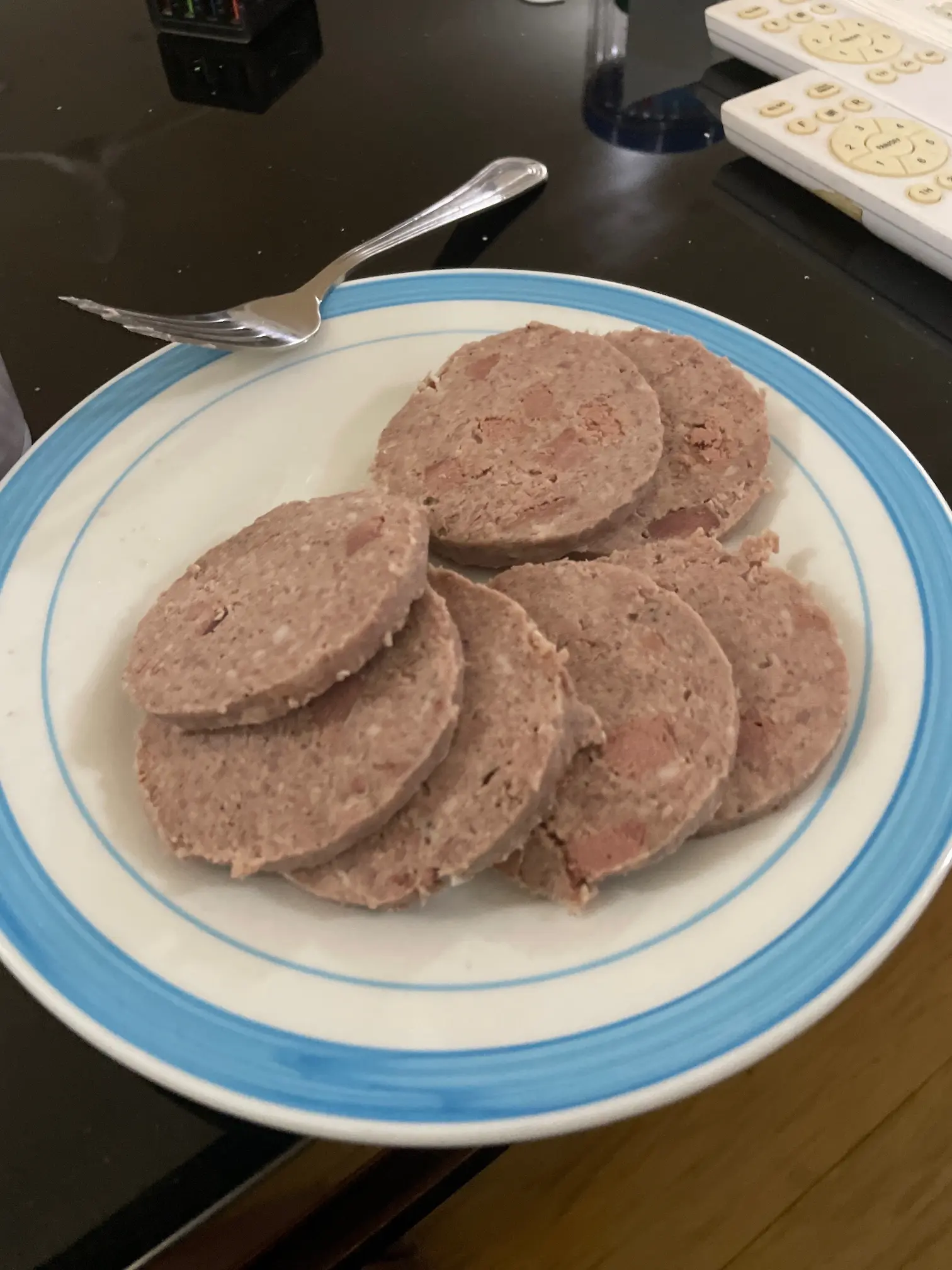
Old-School Liverwurst and the Taste of Memory
A 200-year-old Groningen family recipe brought to Cebu: homemade liverwurst, traditional food skills, and a taste of Dutch family history.
Read the story →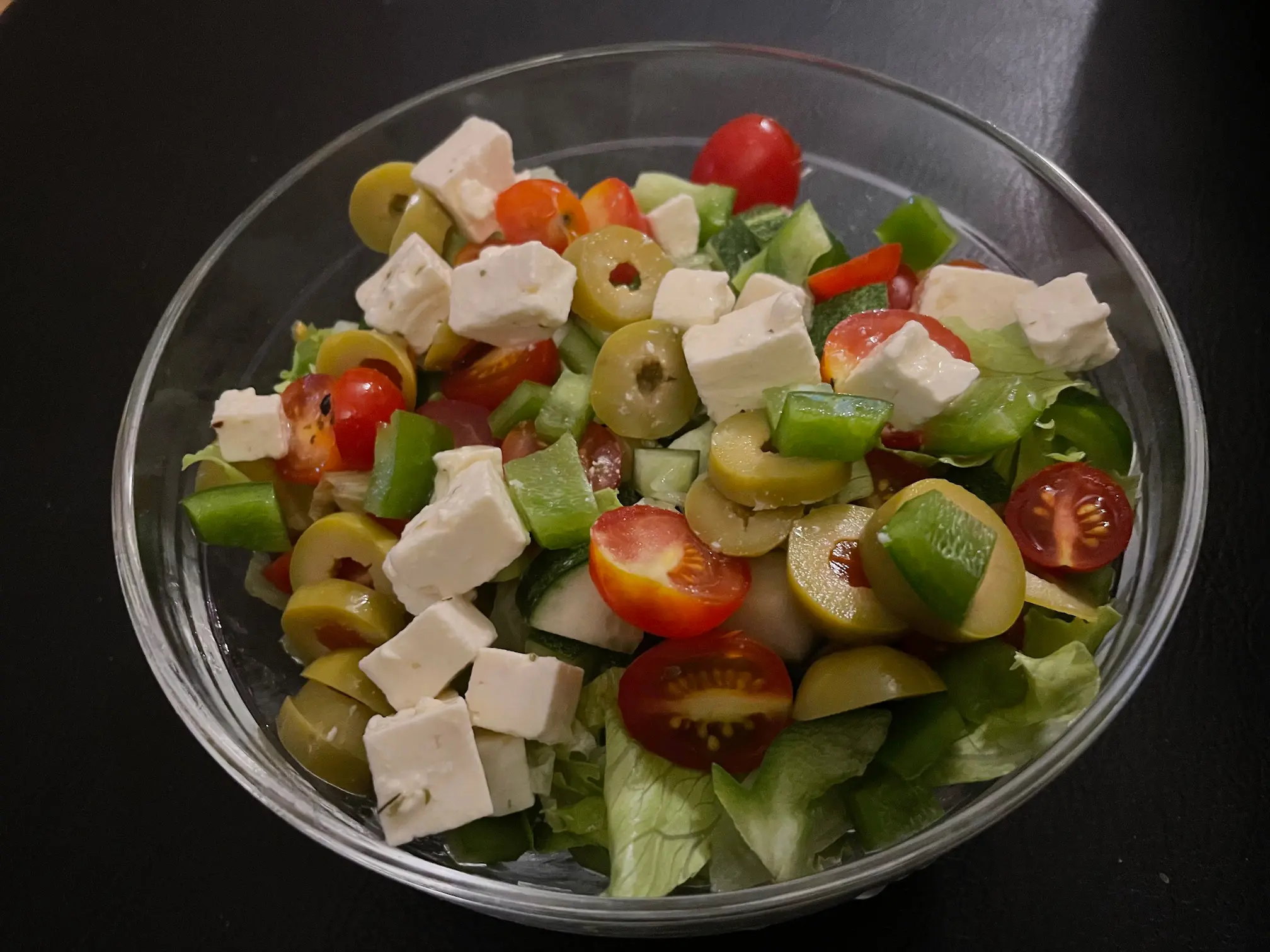
Why a Homestead Isn't the Same as a Farm Business
De Klomp is a home first, not a conventional farm business. We grow food, build practical skills, reduce dependence, and sell only when surplus makes sense.
Read the story →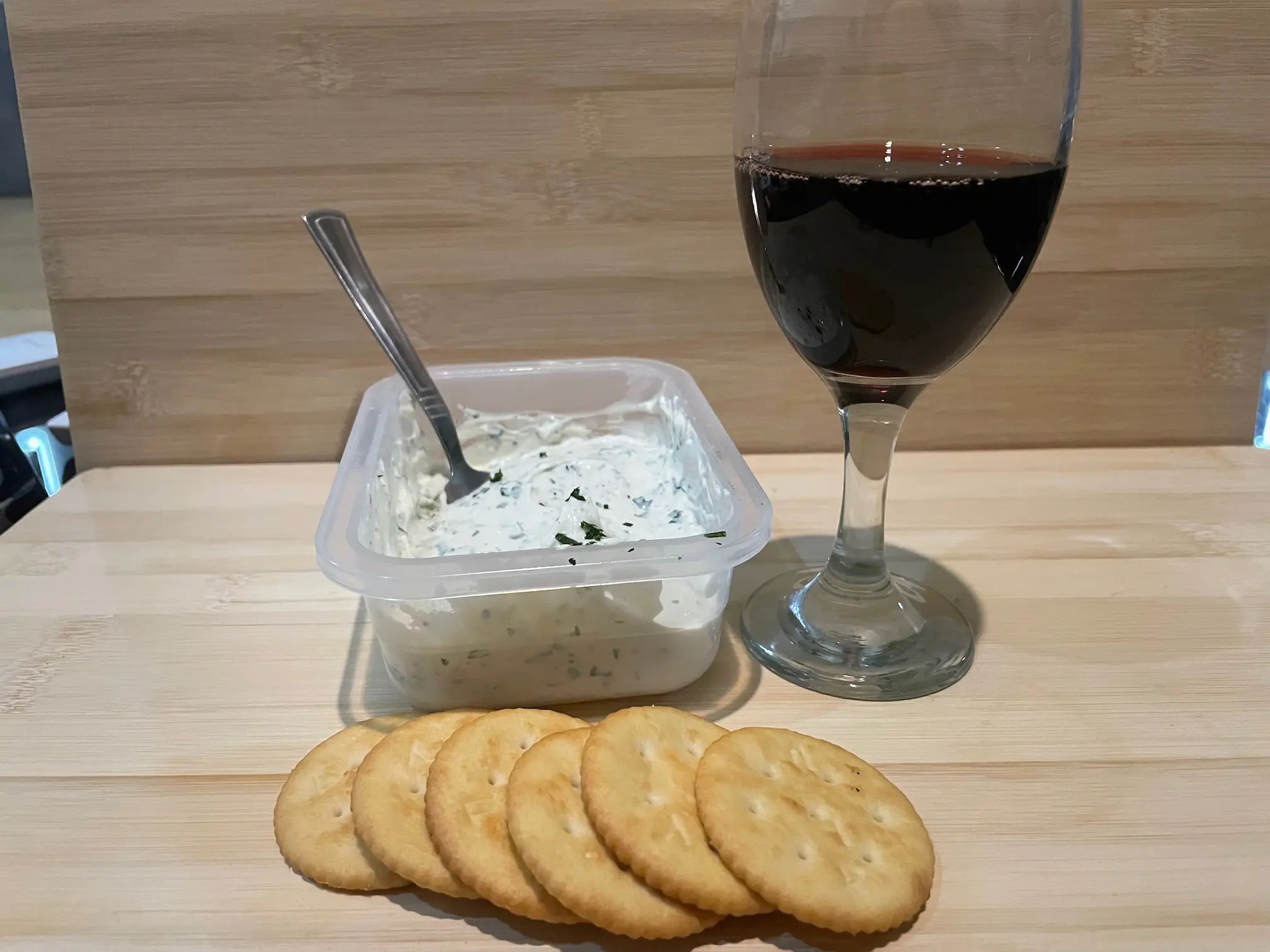
Homemade Labne From Goat Milk at De Klomp Homestead
We made fresh Labne from our own goat milk at De Klomp Homestead, served with parsley and garlic as part of our journey into homemade dairy.
Read the story →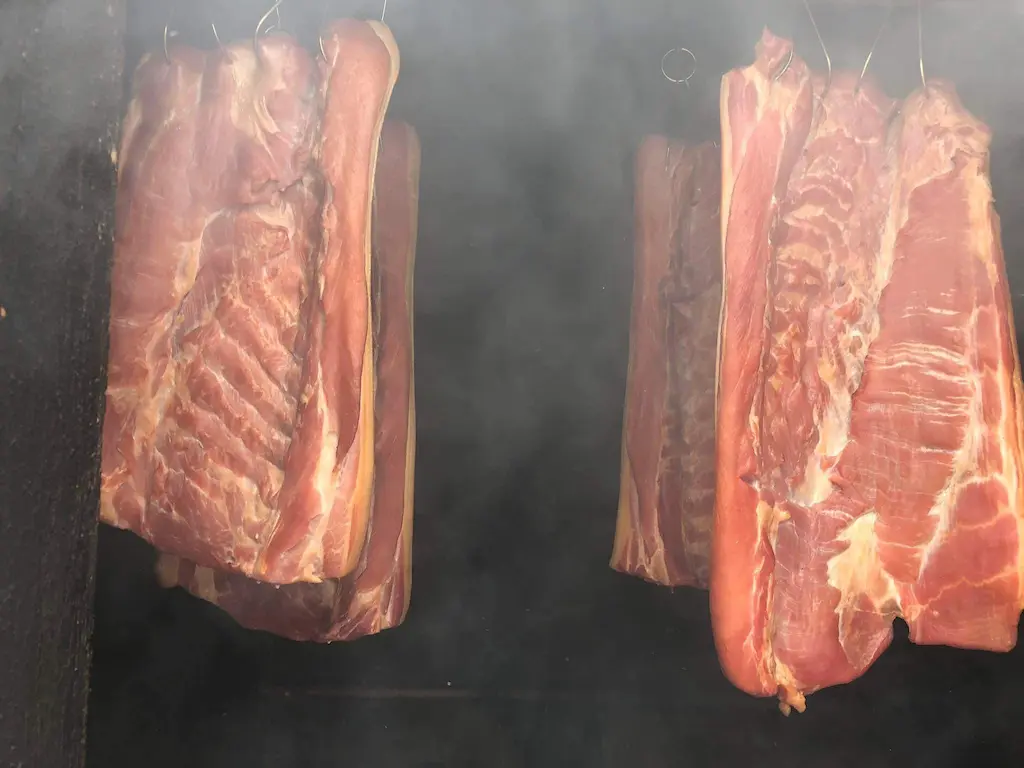
Home-Smoked Bacon: Seven Days of Cure, Eight Hours of Smoke
We dry-cure pork for seven days, smoke it for eight hours over a carefully selected woodchip blend, then vacuum-pack and freeze our homemade bacon.
Read the story →Keep exploring De Klomp
More stories from the homestead
More honest lessons from goats, gardens, bread, and daily life on the land.