Home-Smoked Bacon: Seven Days of Cure, Eight Hours of Smoke
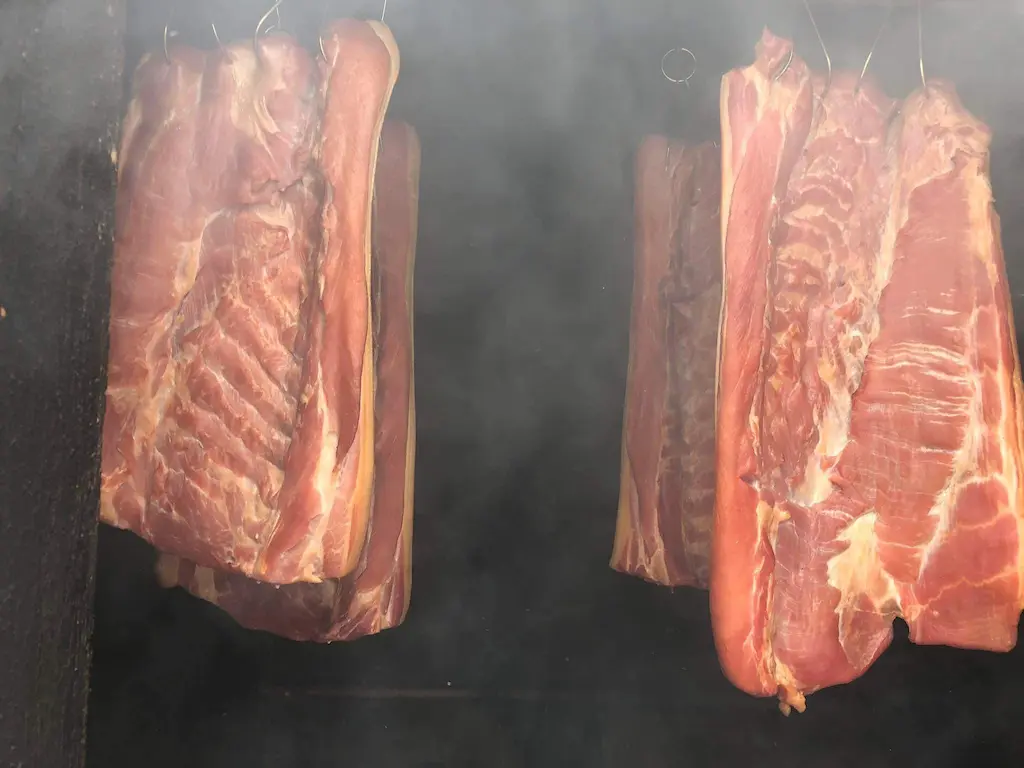
Making bacon at home is not a quick job.
That is part of what makes it worthwhile.
At De Klomp Homestead, our bacon begins with a full week of dry curing. After that comes eight hours in the smoker over a specially selected mixture of woodchips.
When the process is finished, we vacuum-pack the bacon and freeze it so it is ready for future meals.
It takes patience, planning, and an entire day of smoke.
But the result is bacon we made ourselves.
One Week in the Dry Cure
The first stage is quiet.
The pork remains in its dry cure for seven days. There is no shortcut in our process and very little to watch while the cure does its work.
That waiting time is easy to underestimate.
Modern food often arrives ready within minutes. Traditional food asks us to think several days ahead.
If we want bacon next week, we must begin this week.
That changes the relationship with the food. It is no longer something taken from a supermarket shelf without thought. It becomes a small project that has to be planned, followed, and completed carefully.
Eight Hours in the Smoker
After the week of curing, the bacon goes into the smoker for eight hours.
The smoke comes from a specially selected mixture of woodchips. We choose the blend deliberately because the smoke is not merely there for appearance. It becomes part of the aroma and character of the finished bacon.
Eight hours is long enough to make smoking day feel like an event at the homestead.
The smoker needs time. The bacon needs time. The process cannot be hurried simply because we are hungry.
Smoke slowly changes the outside of the meat and carries its aroma across the land. By the end of the day, the bacon looks, smells, and feels like something that has travelled a long way from the raw ingredient with which we began.
Making Food Instead of Only Buying It
We could simply buy bacon.
Sometimes buying food is the practical choice, and we are honest about that. De Klomp is not built around pretending that everything must be produced at home.
But there is value in knowing how food is made.
Our traditional food skills include bread, dairy products, preserved foods, and family recipes. Home-smoked bacon belongs naturally among them.
Each process teaches something different.
Bread teaches fermentation and timing. Cheese and Labne teach us what goat milk can become. Our old Groningen liverwurst recipe carries family knowledge across generations.
Bacon teaches patience, curing, smoke, and preparation.
The Woodchip Blend Matters
We do not use a random handful of woodchips.
The mixture is selected for the bacon we want to make.
Smoke can be delicate, strong, sweet, earthy, or overpowering. The purpose is not to bury the food under the harshest smoke possible. The purpose is to build a balanced flavor that belongs with the meat.
That is why the eight hours in the smoker are only part of the story.
The character of the smoke matters too.
We are not publishing the exact blend as a universal formula. It is part of the method we are developing and refining at De Klomp.
What matters for this story is that the choice is deliberate.
Packed for Future Meals
We do not make this bacon for only one breakfast.
After smoking, it is divided, vacuum-packed, and frozen.
That turns one week of curing and one long smoking day into food that can be used over time.
Vacuum packing also makes the result easier to organize. Instead of repeatedly beginning the entire process for a small amount of bacon, we can prepare a useful batch and store it in manageable portions.
This is one of the places where traditional food knowledge and modern equipment work well together.
The cure and smoke belong to an old way of making food.
The vacuum packer and freezer make that work practical for our household today.
Modern Tools, Traditional Purpose
We are not trying to copy an old smokehouse exactly.
We use the tools available to us now.
The purpose, however, is familiar.
Take a valuable ingredient. Treat it carefully. Give it time. Create flavor. Store the result so the work continues to provide food after smoking day is over.
That is the same spirit behind our homemade bread and the other foods we make at De Klomp.
Modern tools help us control the process.
They do not have to remove its character.
Eight Hours That Stay With the Food
Most of the work disappears from view once the bacon reaches the plate.
Nobody sees the week of waiting.
Nobody sees all eight hours of smoke.
Nobody sees the planning, packing, or freezer space.
They see a few slices of bacon.
But the time remains in the food.
It is there in the smoke, the texture, the aroma, and the knowledge that we made it ourselves.
That is why home-smoked bacon is worth the wait.
Seven days in the cure.
Eight hours in the smoker.
Then packed away, ready to bring a little of that smoking day back to the table whenever we need it.
Enjoyed this story?
If you know someone who enjoys homesteading, goats, traditional food, or self-sufficiency, feel free to share it.
Related stories from De Klomp
More from the homestead about food, goats, growing, and building a resilient life.
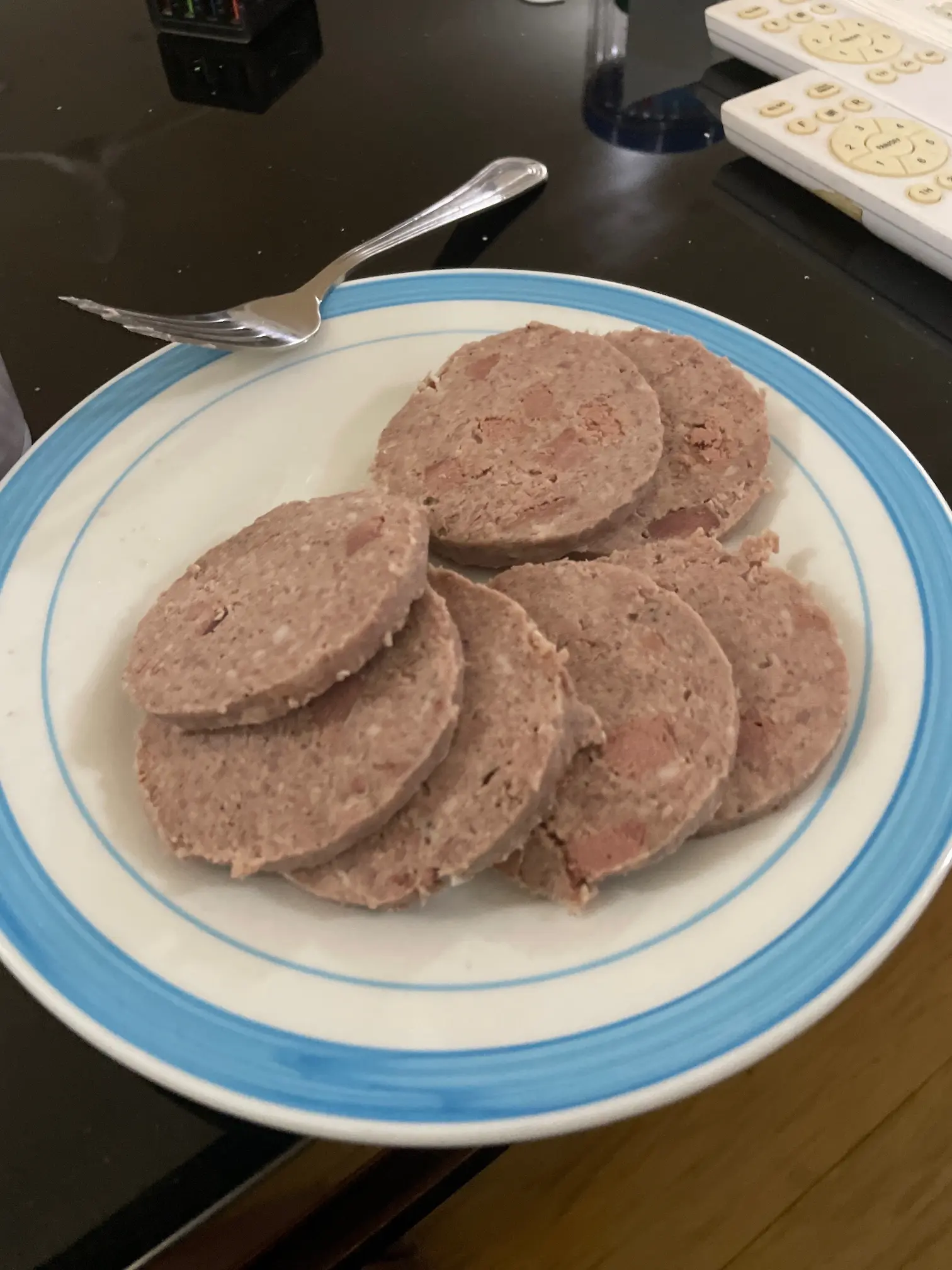
Old-School Liverwurst and the Taste of Memory
A 200-year-old Groningen family recipe brought to Cebu: homemade liverwurst, traditional food skills, and a taste of Dutch family history.
Read the story →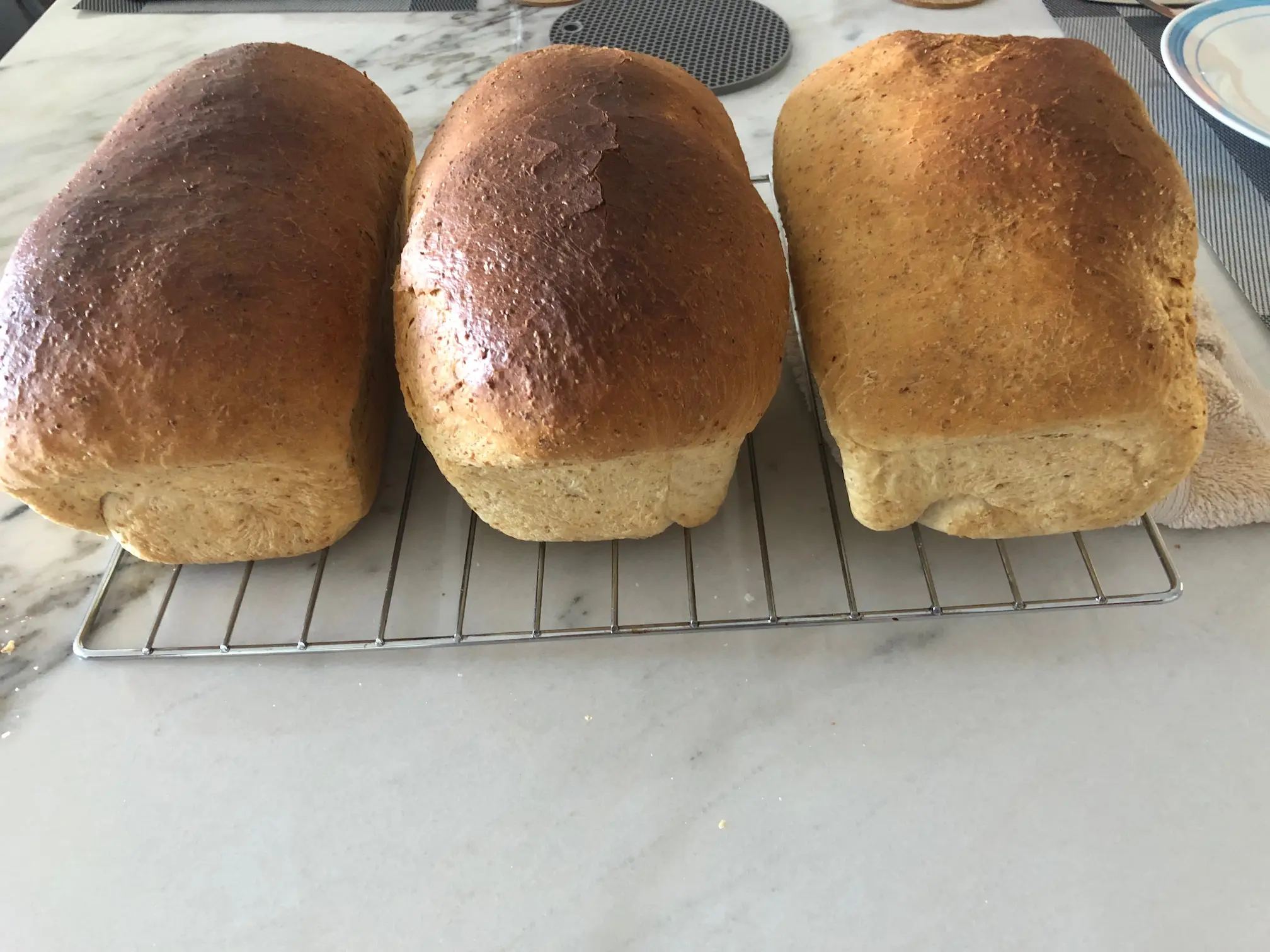
Bread That Goes Stale in Two Days, and Why That's Good
Our homemade bread goes stale after two days because it is baked for flavor and nourishment, not engineered for an unnaturally long shelf life.
Read the story →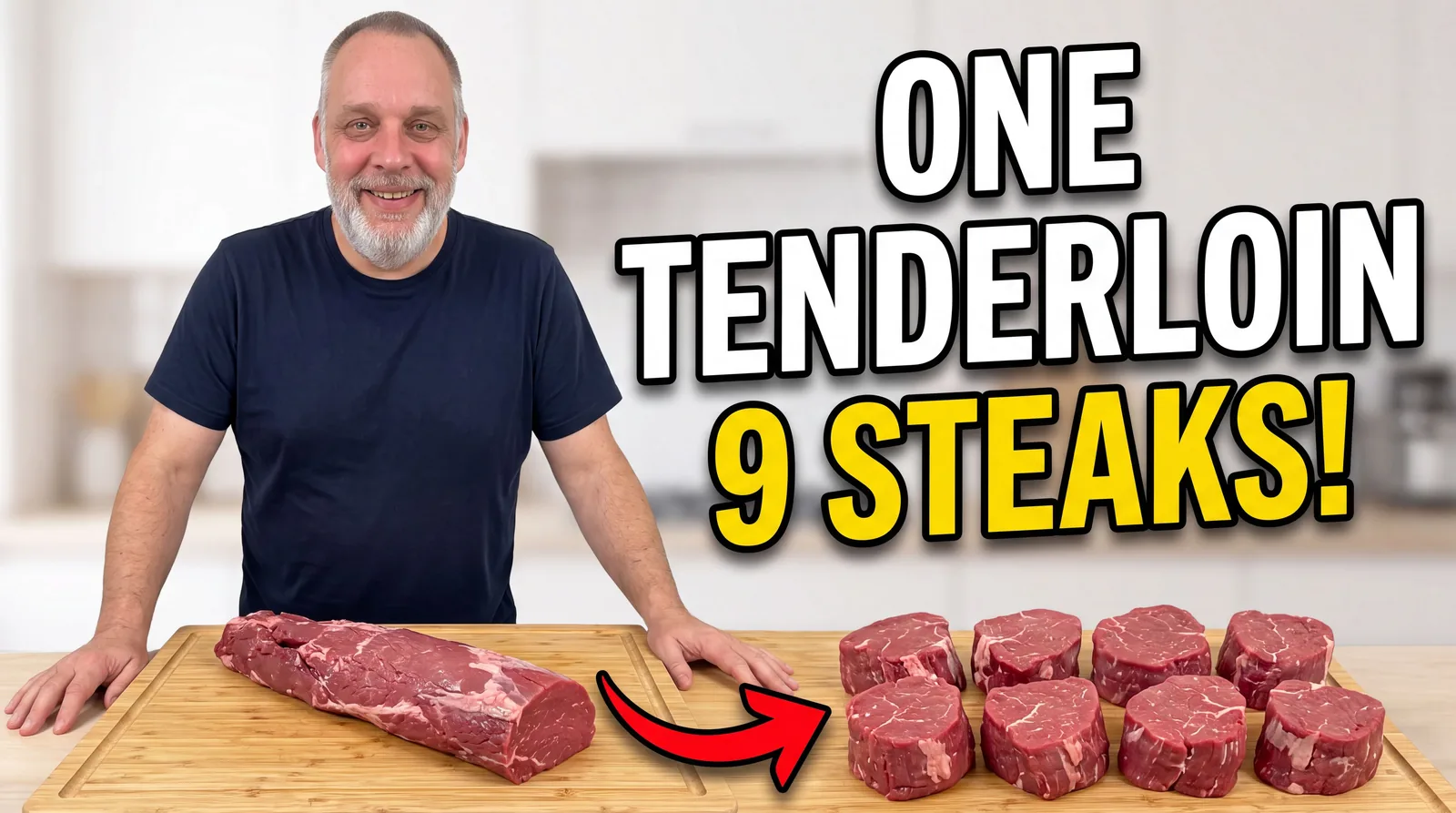
How I Trim and Portion a Whole Beef Tenderloin
A whole beef tenderloin looks expensive and intimidating, but breaking it down at home is easier than many people think. This is how I remove the silver skin, clean the meat and cut it into steaks.
Read the story →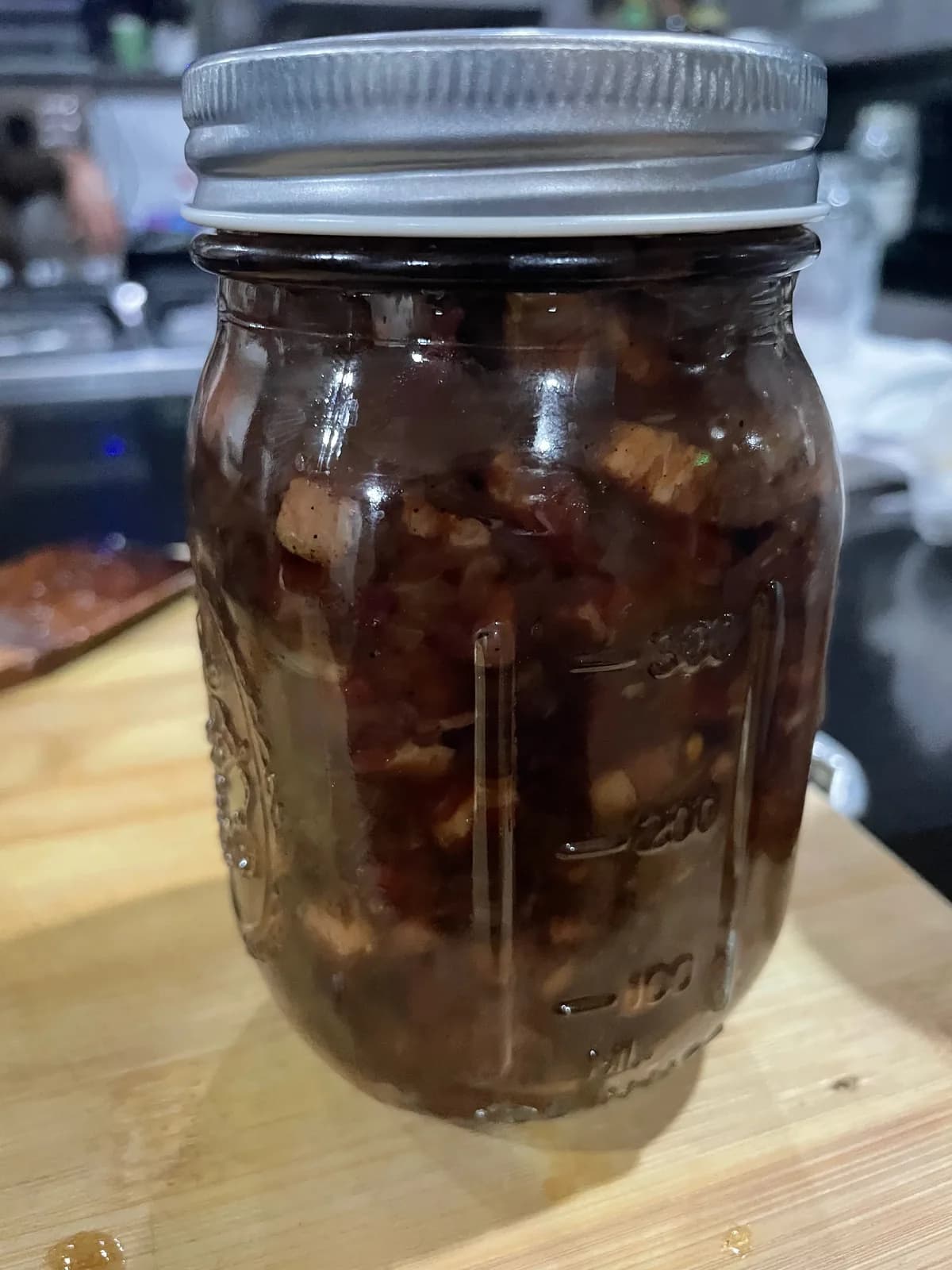
What We Make With Our Smoked Bacon Trimmings
The trimmings from our home-smoked bacon never go to waste. We slowly turn them into a rich bacon jam with onions, brown sugar and Jack Daniel’s.
Read the story →More stories from the homestead
More honest lessons from goats, gardens, bread, and daily life on the land.