Old-School Liverwurst and the Taste of Memory
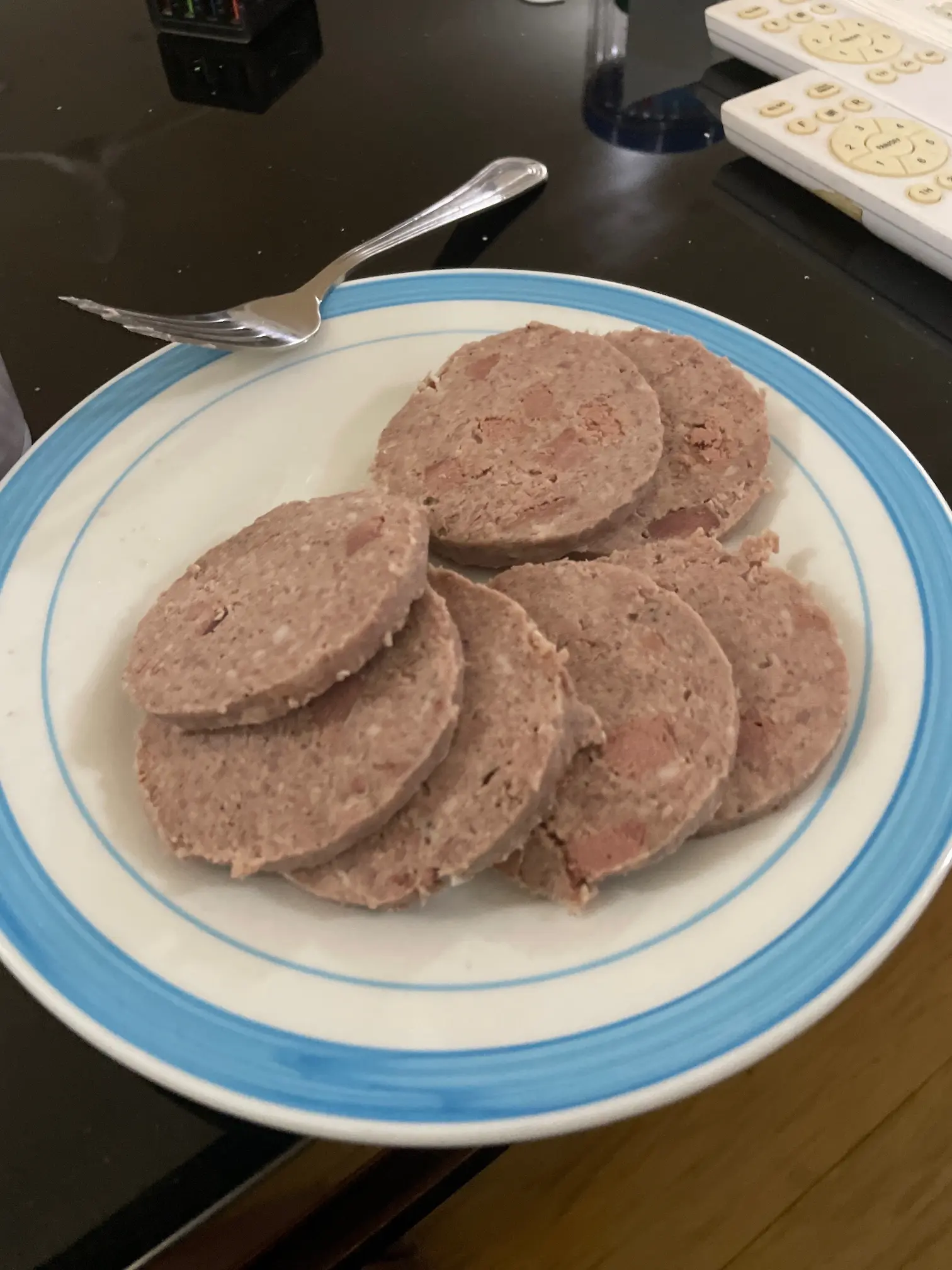
Some recipes are more than instructions.
They carry the memory of people, places, and generations.
The liverwurst we make at De Klomp comes from a family recipe that originated in Groningen, the Netherlands, more than 200 years ago. It has been passed from father to son through the generations.
Now Mike is carrying that knowledge into his Dutch-Filipino family in Santander, Cebu — part of our Dutch-Filipino family story.
A Recipe With a Long Journey
This recipe began in a very different place and time.
Groningen is far from the tropical climate of the Philippines. The ingredients, kitchens, tools, and daily life were different. But the purpose of the recipe was simple and practical.
It was food made to nourish a family.
It used knowledge built over generations. The balance of meat, liver, fat, herbs, spices, salt, texture, and preparation was not created by a marketing department. It was learned through experience and passed on because it worked.
That knowledge survived because someone kept making it.
Passed From Father to Son
Family recipes are fragile.
They can disappear in a single generation if nobody watches, listens, practices, and writes things down.
For more than two centuries, this liverwurst recipe continued from father to son.
Each generation received more than a list of ingredients. They learned how the mixture should feel, how the seasoning should taste, how the texture should look, and when something was not quite right.
Those details are difficult to preserve on paper alone.
Real food knowledge lives in the hands as much as it lives in a recipe book.
From Groningen to Santander
Bringing the recipe to the Philippines does not mean pretending that nothing has changed.
The climate is different. Ingredients may behave differently. Equipment is different. Food-safety knowledge has improved. Modern refrigeration, accurate scales, temperature control, and hygienic preparation make the process safer and more consistent.
We use those modern tools.
But the character of the liverwurst still comes from the old recipe.
The goal is not to recreate the past perfectly. The goal is to keep the knowledge alive while making it responsibly in the present.
Food That Was Never a Marketing Product
Traditional recipes were not designed around branding, shelf appeal, or endless storage.
They were made because people needed good food.
A liverwurst recipe had to make practical use of valuable ingredients. It had to taste good. It had to nourish people. It had to be worth making again.
That is very different from designing a product mainly around transport, appearance, and maximum shelf life.
The old recipe has survived because people remembered the flavor and considered it worth preserving — the same idea behind homemade bread, our home-smoked bacon, and other bread and old recipes.
The Taste of Memory
Food can bring back memories faster than almost anything else.
A familiar smell, texture, or seasoning can return someone to a kitchen, a family table, or a moment from childhood.
That is why people sometimes taste old-fashioned food and say:
“This tastes like the old days.”
They are not only describing flavor.
They are recognizing something that has become rare.
When flavor carries memory, the knowledge is still alive.
Carrying It Into a New Family
The recipe has now traveled from Groningen to Cebu.
It is no longer only part of a Dutch family history. It is becoming part of a Dutch-Filipino family as well.
That matters to us.
Food traditions do not have to remain frozen in one country or one century. They can travel with people. They can be shared with a partner, children, relatives, friends, and future generations.
The place changes.
The family grows.
The knowledge continues.
Modern Hygiene, Traditional Character
Preserving an old recipe does not mean ignoring modern food safety.
We combine the inherited recipe with careful handling, clean equipment, accurate measurements, proper cooking, temperature control, and refrigeration.
Tradition and modern hygiene are not enemies.
Modern methods help protect the people who eat the food. The traditional recipe protects the character and flavor that made the food worth preserving in the first place.
Both matter.
Keeping the Soul of the Food Alive
We are not trying to live in the past.
We use modern tools throughout De Klomp Homestead. We use reliable equipment, refrigeration, clean water, accurate measurements, and food-safe methods.
But modern tools do not require us to abandon traditional flavor.
The goal is to keep the soul of the food alive.
Every time we make this liverwurst, the recipe continues its journey.
From Groningen.
From father to son.
Across more than two centuries.
And now, into a Filipino family at De Klomp Homestead.
Enjoyed this story?
If you know someone who enjoys homesteading, goats, traditional food, or self-sufficiency, feel free to share it.
Related stories from De Klomp
More from the homestead about food, goats, growing, and building a resilient life.
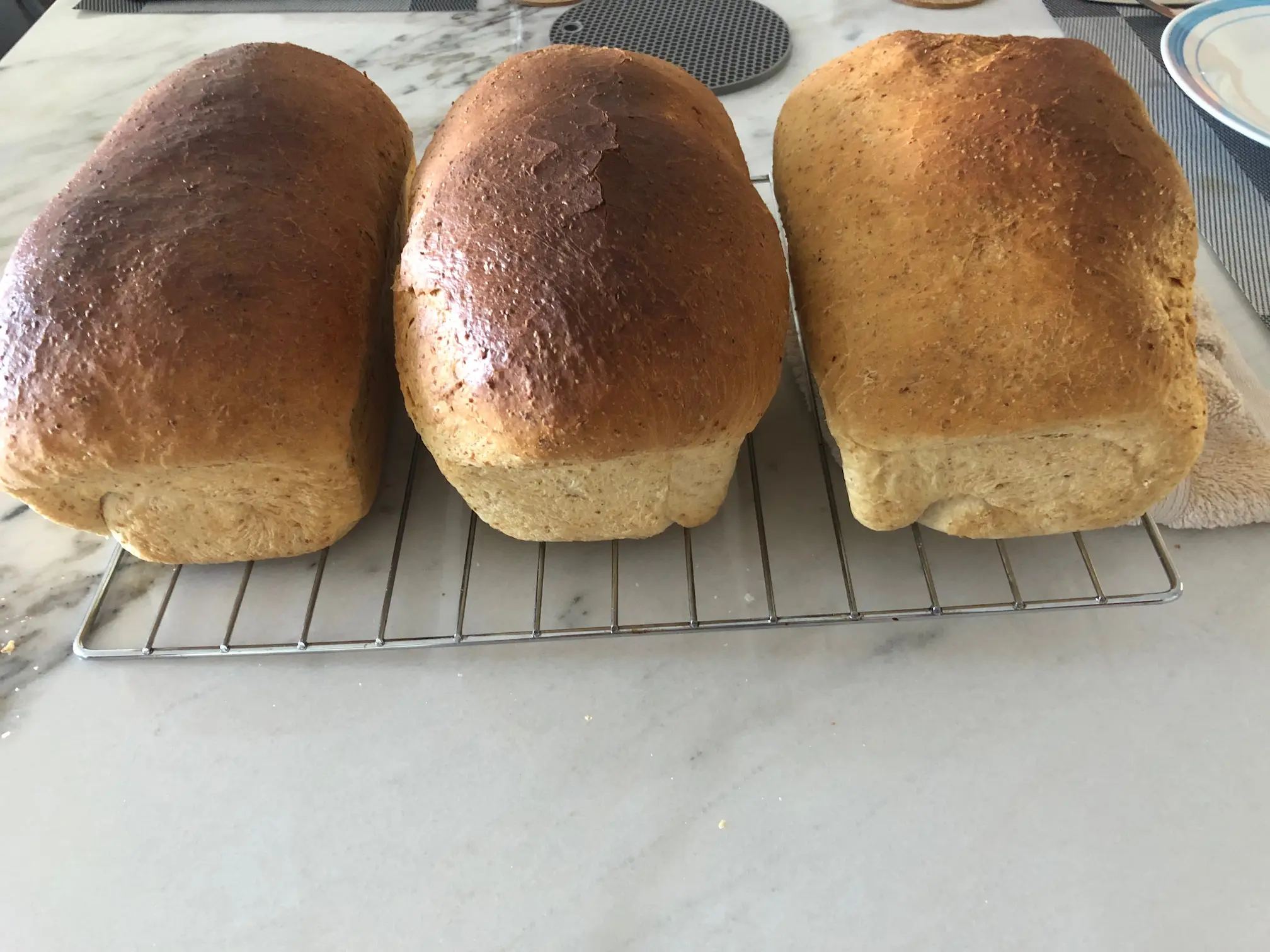
Bread That Goes Stale in Two Days, and Why That's Good
Our homemade bread goes stale after two days because it is baked for flavor and nourishment, not engineered for an unnaturally long shelf life.
Read the story →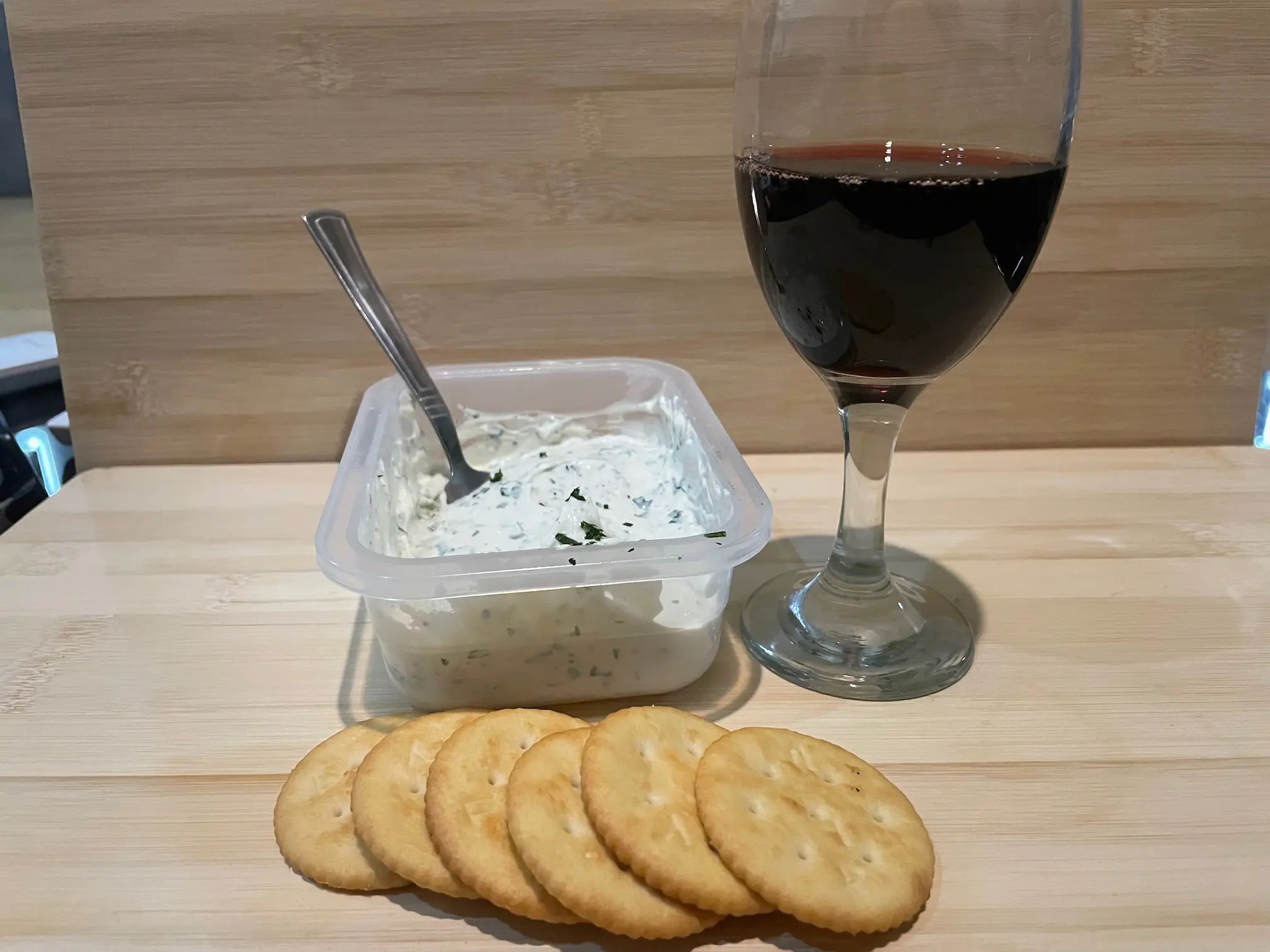
Homemade Labne From Goat Milk at De Klomp Homestead
We made fresh Labne from our own goat milk at De Klomp Homestead, served with parsley and garlic as part of our journey into homemade dairy.
Read the story →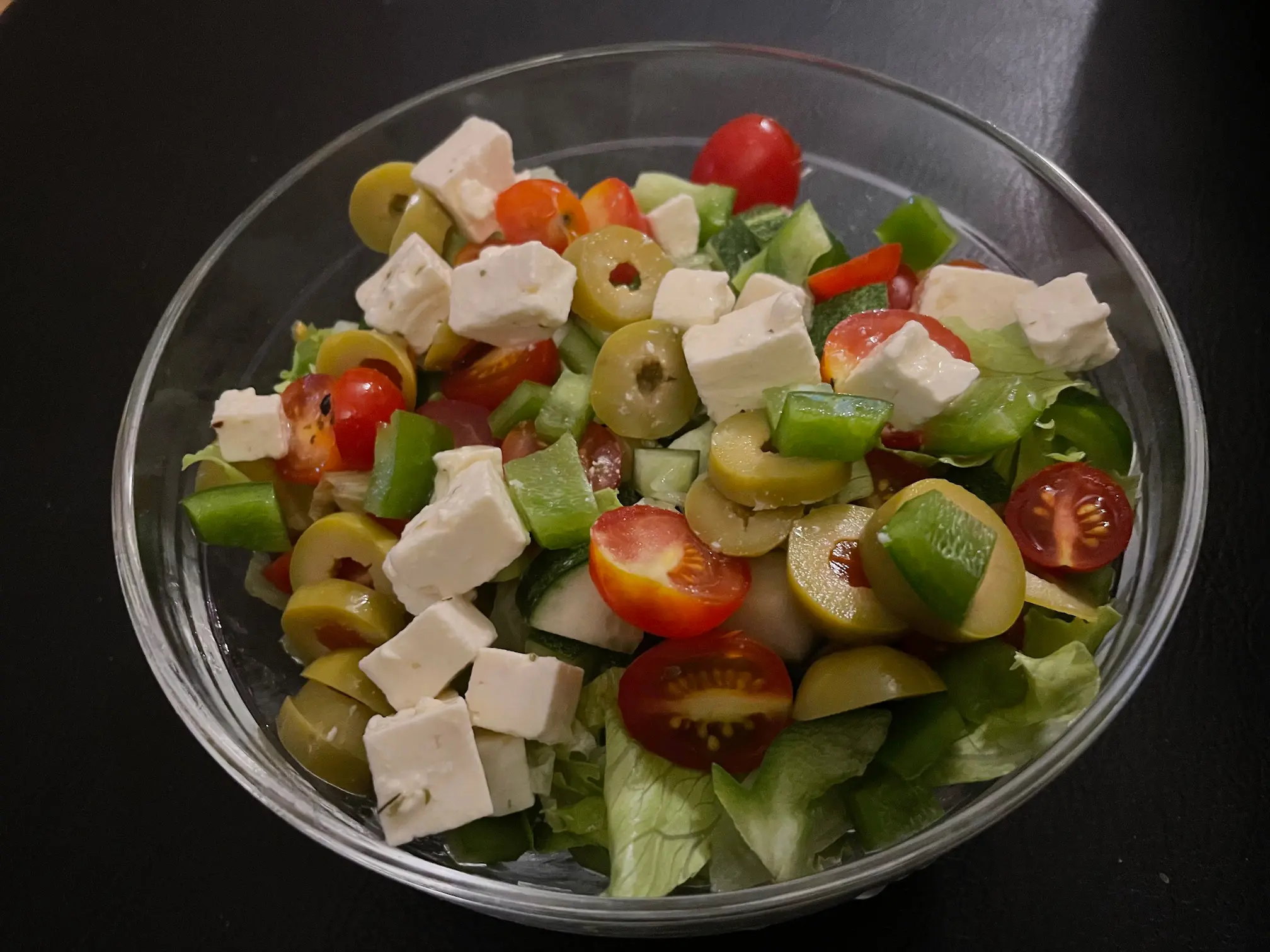
Why a Homestead Isn't the Same as a Farm Business
De Klomp is a home first, not a conventional farm business. We grow food, build practical skills, reduce dependence, and sell only when surplus makes sense.
Read the story →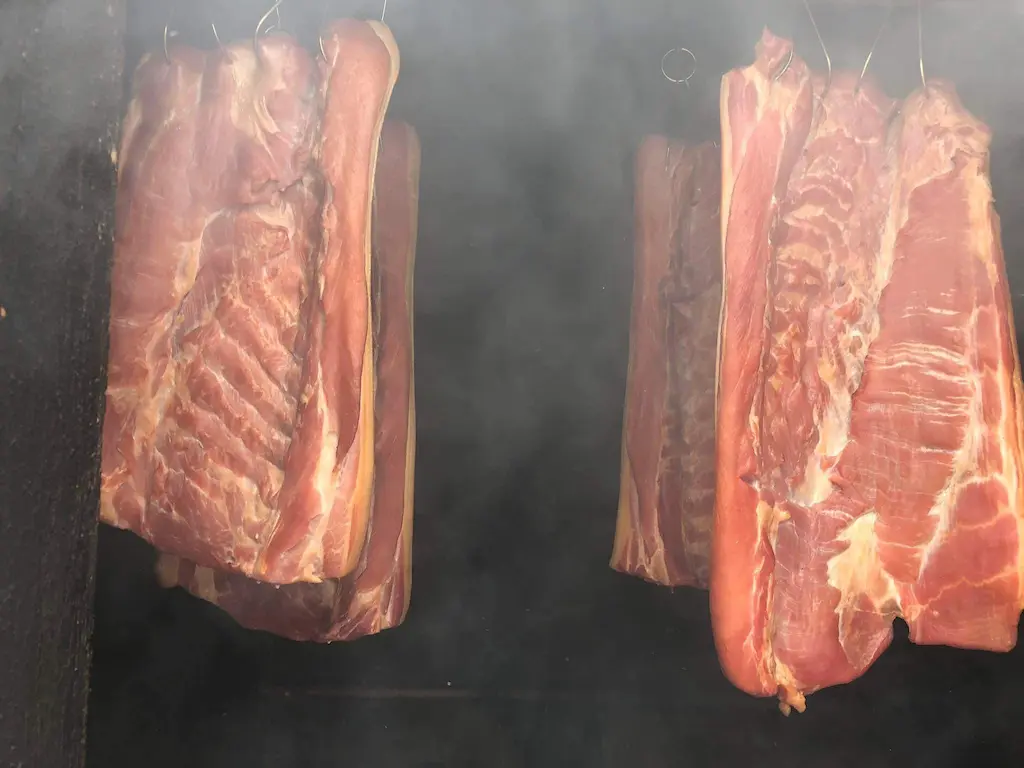
Home-Smoked Bacon: Seven Days of Cure, Eight Hours of Smoke
We dry-cure pork for seven days, smoke it for eight hours over a carefully selected woodchip blend, then vacuum-pack and freeze our homemade bacon.
Read the story →More stories from the homestead
More honest lessons from goats, gardens, bread, and daily life on the land.